
Last updated November 25, 2026
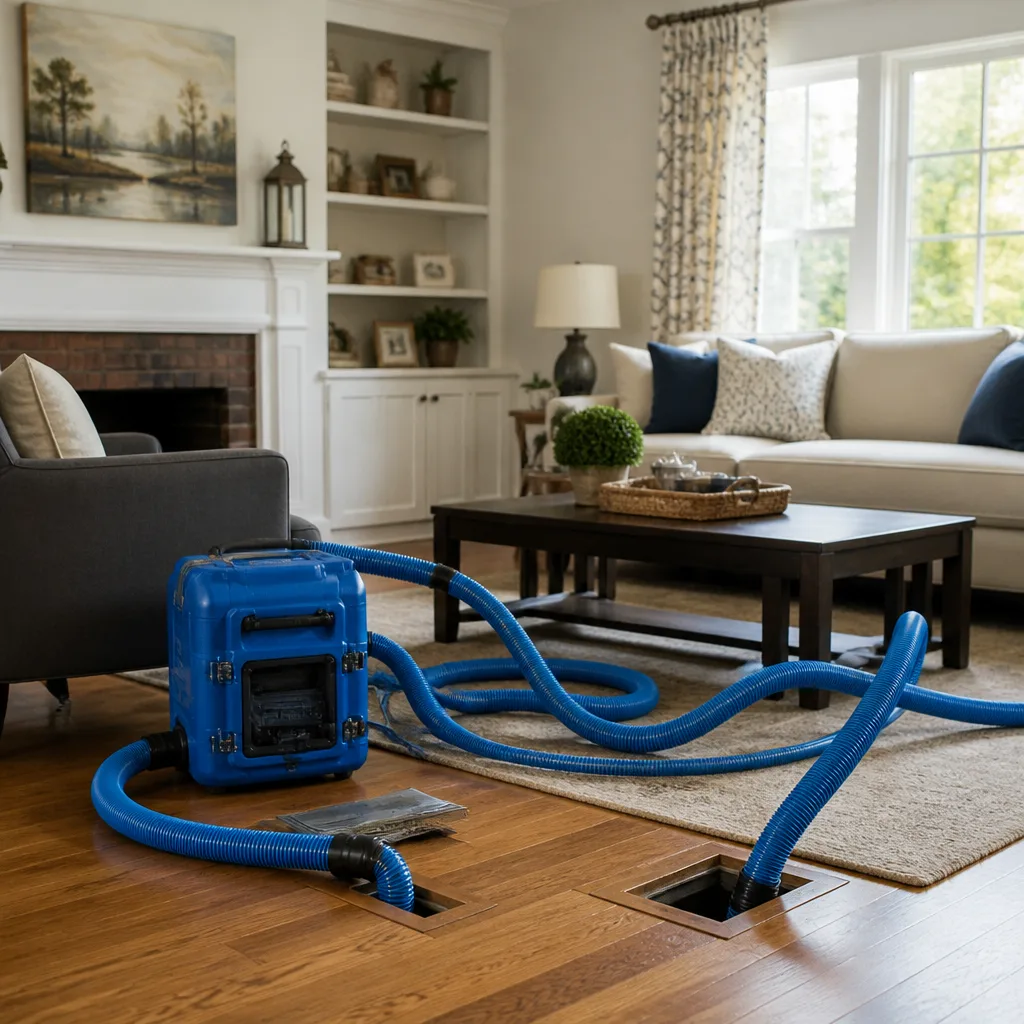 Whole-home duct cleaning
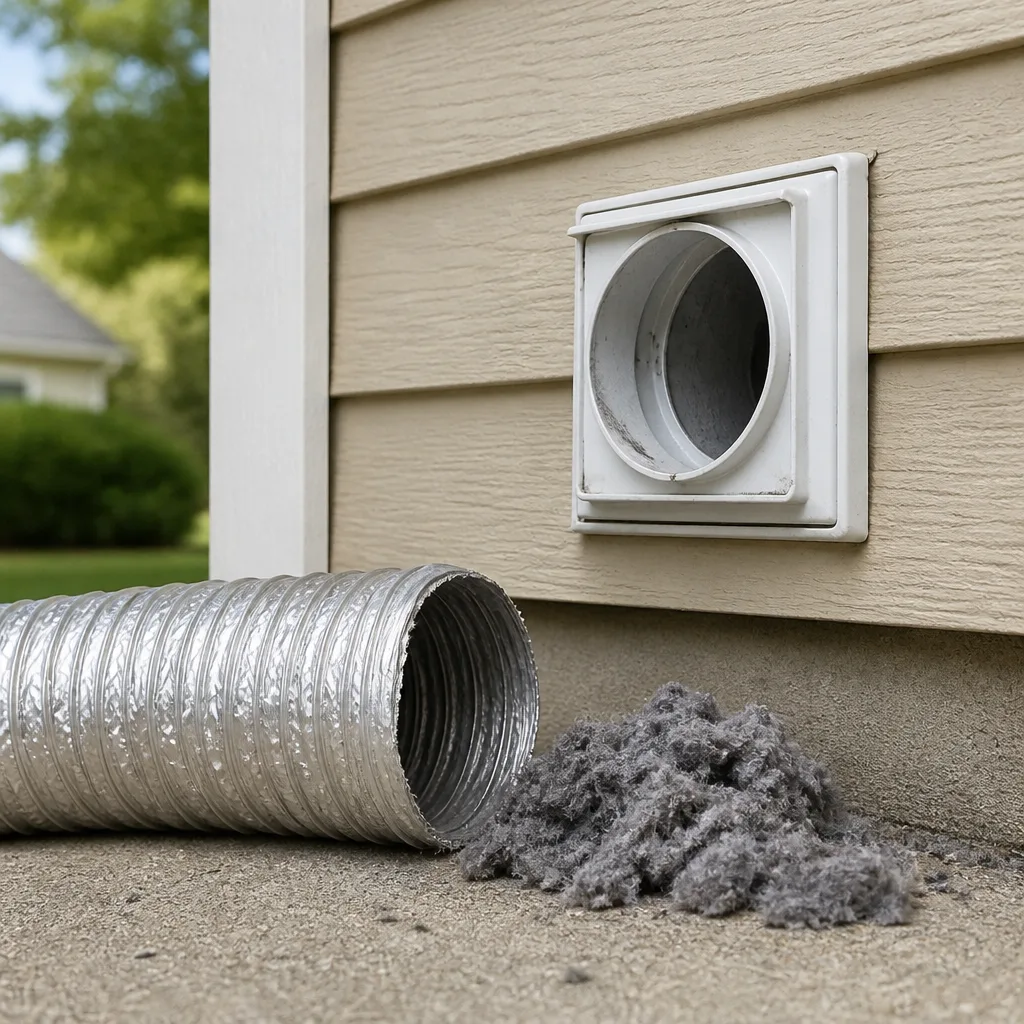 Dryer vent cleaning
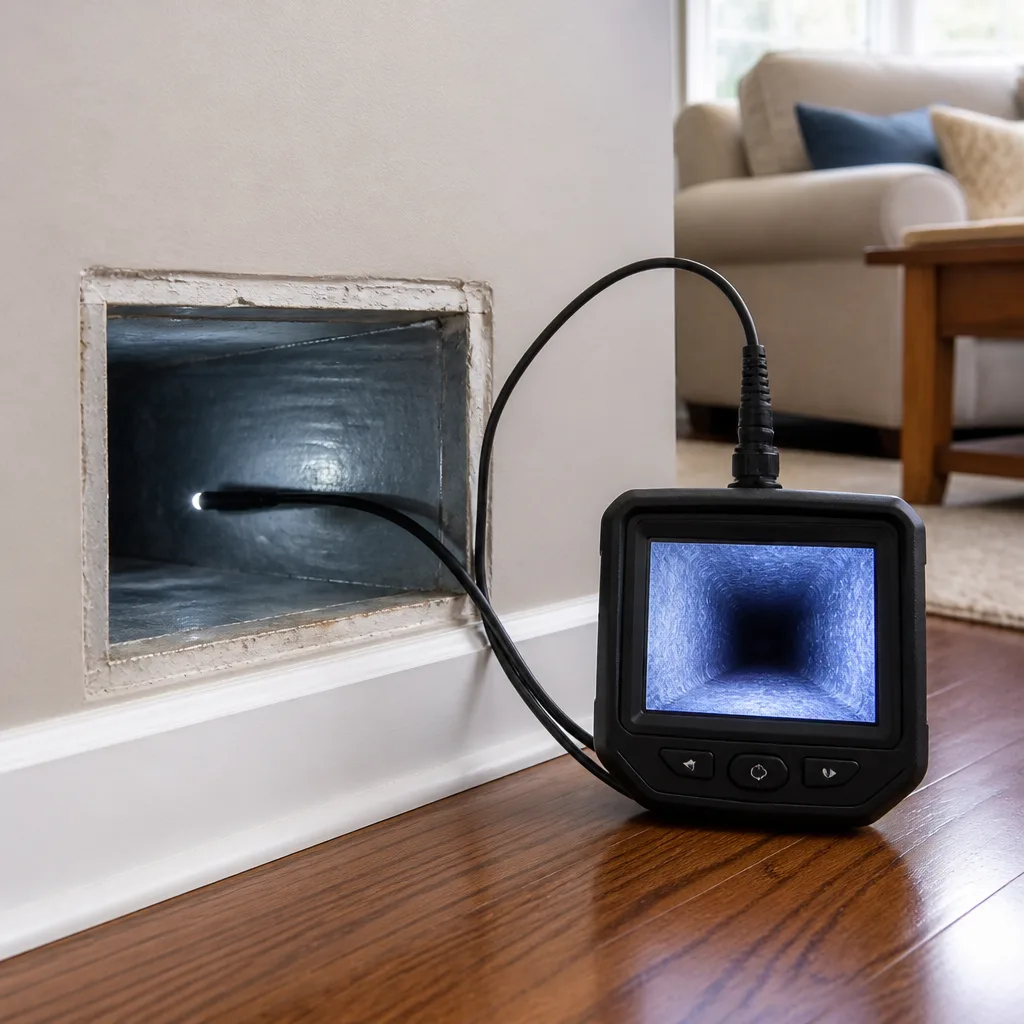 Camera inspection
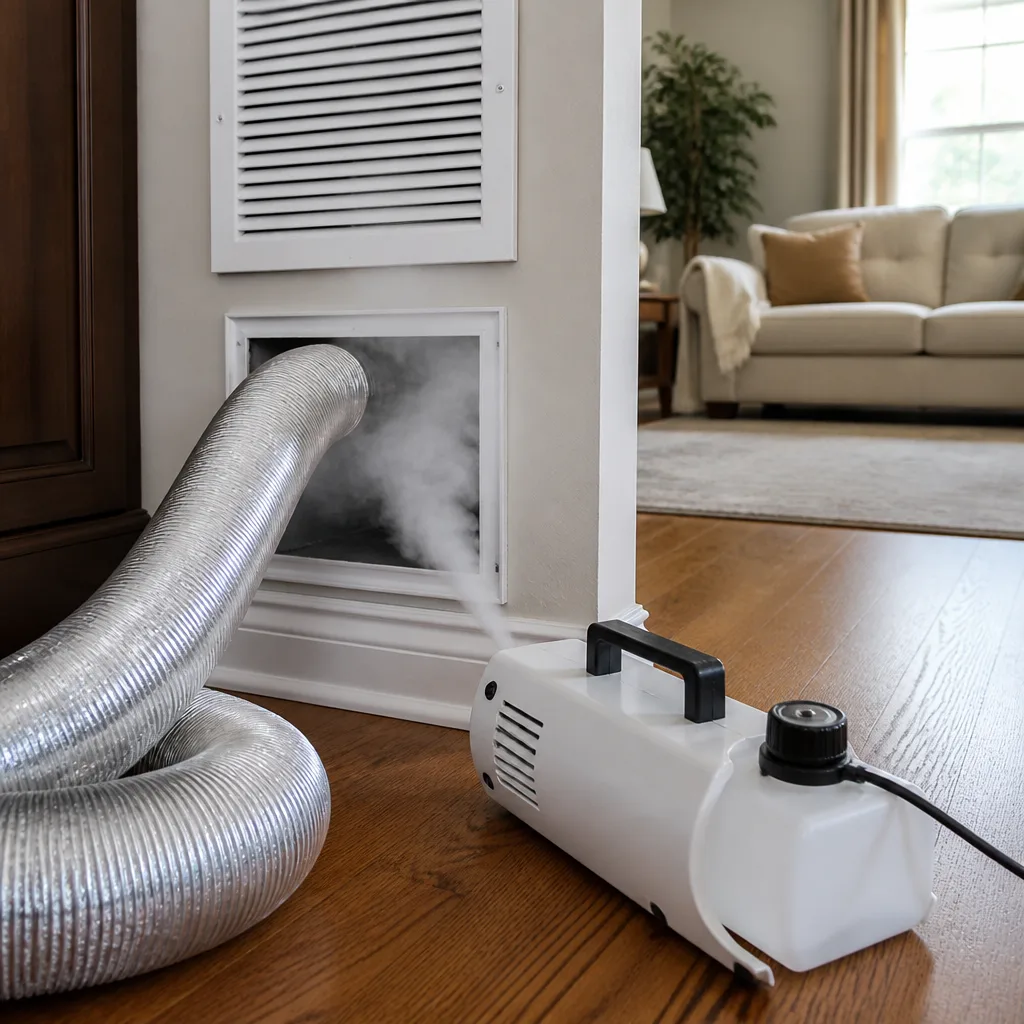 Sanitizing & deodorizing
Whole-system duct and dryer vent check with before-and-after photos - you see exactly what came out of your vents
That "$99 whole-house special" is a bait ad - the real number appears once they are in your hallway, or the "clean" is a shop-vac at the register. We photograph the inside of your ducts before and after instead.
DIY vs Professional Air Duct Cleaning: The Clear Lake Homeowner’s Decision Guide
Every consumer duct cleaning kit sold online does something counterintuitive: it creates positive or neutral air pressure inside the duct while it vacuums, which can push loose debris deeper into the system before it captures any of it. That’s the part the marketing photos leave out. The real question in Clear Lake isn’t whether you’re willing to spend an afternoon on a ladder with a shop vac. It’s whether a consumer-grade tool can generate enough negative pressure to pull debris out of a duct run instead of just stirring it around. In this guide we’ll walk through the physics of what professional equipment actually does, what you can legitimately handle yourself, where DIY attempts tend to make things worse, and how to figure out whether your Clear Lake home needs a full cleaning at all.
Quick Answer
Professional air duct cleaning is worth it when your system has visible debris, recent renovation dust, moisture, or a documented airflow problem, because consumer vacuums can’t generate the negative pressure and containment needed to extract debris from the full duct run. For routine upkeep, register cleaning, filter changes, and a visual dryer vent check are genuinely useful DIY tasks. For everything past that, the equipment gap is real and the physics is not a sales pitch.
Styles & brands we work with
- Whole-home duct cleaning
- Dryer vent cleaning
- Camera inspection
- Sanitizing & deodorizing
Table of Contents
- The Physics of Negative Pressure: Why the Equipment Gap Is Real
- What Homeowners Can Legitimately Do Themselves
- When DIY Attempts Backfire in Clear Lake Homes
- How Often Ducts Actually Need Professional Cleaning
- How to Assess Whether Your Home Needs Cleaning at All
- The Real Cost Comparison: Equipment Rental vs. Professional Work
- How to Tell a Real Professional Job from a Surface Clean
- Why Duct Cleaning Is Only Part of the Picture
The Physics of Negative Pressure: Why the Equipment Gap Is Real
Duct cleaning works by putting the entire duct system under negative pressure, then agitating the debris loose so the airflow carries it back to a collection point instead of into your living room. Consumer vacuums and DIY kits don’t do this. They create positive or neutral pressure inside the duct, which means they can dislodge dust but cannot reliably capture it. In a Clear Lake home with a multi-branch flex duct system, that dust often ends up pushed further down a branch or blown back into the return.
Professional equipment like Rotobrush and Nikro systems is built around this physics. They combine high-CFM vacuum units with rotary agitation tools and containment that holds the whole run under negative pressure while the technician works. The CFM rating matters, but so does static pressure: a system has to overcome the resistance of the ductwork itself to pull air and debris toward the vacuum, not away from it. A shop vac rated for a garage floor has the wrong airflow profile entirely.
What separates a real professional job from a clever-looking DIY attempt:
- System-wide negative pressure rather than local suction at one register
- Rotary agitation tools that reach the full length of a duct run, not just the opening you can see
- Containment so dislodged debris can’t escape into the living space
- Compressed-air whips and brushes sized for different duct materials, including flex duct that tears easily under the wrong tool
- Post-clean verification with before-and-after photos of your own ducts
None of that is a marketing exaggeration. It’s just how the airflow has to work for extraction to happen. A tool that blows air into a duct and a tool that pulls air out of it are doing different jobs, and only one of them removes debris from your Clear Lake home.
What Homeowners Can Legitimately Do Themselves
Plenty of duct-adjacent maintenance belongs in your own hands, and doing it consistently does more for indoor air than a lot of homeowners realize. Filter changes and register cleaning are the two highest-value tasks, and both are safe and genuinely effective. A visual dryer vent check is a third. We’d rather see a Clear Lake homeowner change a filter every three months than pay for a cleaning every year they don’t need.
Here’s what we tell homeowners to handle themselves:
- Replace the HVAC filter on schedule. Check it every 30 to 60 days in heavy-use seasons, and change it when it’s visibly loaded. A clogged filter restricts airflow and makes every other air quality problem worse.
- Vacuum and wipe the supply registers. Remove the grill, vacuum the face with a brush attachment, wipe the slats, and reinstall. This removes surface dust before it can be pulled back into the airstream.
- Do a visual dryer vent inspection. Disconnect the vent at the back of the dryer, look for lint buildup, kinks, or crushed sections, and clear the exterior flap of obstructions. Schedule a professional dryer vent cleaning when you see compacted lint or notice drying times climbing.
- Keep returns unobstructed. Furniture, rugs, and storage bins parked in front of a return cut airflow and force the system to work harder.
- Watch for the warning signs. Uneven airflow, musty odors when the system starts, visible dust streaking from registers, and post-renovation debris are the signals that push you past DIY territory.
What none of that replaces is cleaning the inside of the ductwork itself. That’s a different job, and it’s where the equipment conversation comes in.
When DIY Attempts Backfire in Clear Lake Homes
In Clear Lake’s humid Gulf Coast climate, duct problems tend to show up differently than they do in dry parts of the country. The combination of humidity, aging flex duct, and densely built subdivisions means a misjudged DIY attempt can turn a manageable issue into something bigger. Three scenarios stand out as actively counterproductive.
Flex duct systems
Flex duct is common in Clear Lake homes and it does not tolerate aggressive DIY cleaning. The inner liner tears easily under rigid brushes or high-pressure nozzles, and once that liner is compromised, the duct loses its insulation value and starts shedding fibers into the airstream. Professional Rotary brushes and low-pressure whips are sized to work inside flex duct without scoring it. A shop vac attachment jammed down a run is not.
Suspected moisture or mold
If you smell a musty odor when the system kicks on, or if you’ve seen visible discoloration around a register, stop. Agitating mold spores without containment spreads them through the system and into the living space. This is the scenario where professional sanitizing with a product like the Abatement Technologies line actually matters, because remediation-grade products are formulated differently than retail foggers. It also means the cleaning has to identify and fix the moisture source, not just treat the symptom.
Post-renovation debris
Drywall dust, sawdust, and insulation fibers get pulled into the return system during a remodel and settle throughout the ductwork. A DIY pass on one or two registers can push that dust deeper into the runs. A full professional cleaning with system-wide negative pressure is the only reliable way to clear it before it coats the blower and evaporator coil.
How Often Ducts Actually Need Professional Cleaning
Most homes do not need duct cleaning on a fixed schedule. Professional cleaning makes sense when there’s a reason for it: a renovation, a move-in to a home with unknown service history, visible debris, moisture, pets, or occupants with respiratory sensitivity. For a typical Clear Lake home with no triggering event, a professional cleaning every several years is usually plenty, and some homes go longer.
A practical way to think about timing:
- After major renovation or new construction: clean once the work is complete, before you move back into the space
- After moving into a resale home: worth one cleaning to establish a baseline, especially if service history is unknown
- Households with pets or allergy-sensitive occupants: more frequent cleaning, but driven by what you actually observe in the ducts
- Systems with visible debris, musty odor, or airflow complaints: clean once the cause is addressed, not on a schedule
- No triggers, clean history: no need to schedule a cleaning purely on the calendar
If you’re also curious about the rest of the system, our HVAC cleaning covers the blower, coil, and drain pan, which often carry more dust than the duct runs themselves. The two jobs make the most sense together.
How to Assess Whether Your Home Needs Cleaning at All
Before you spend anything on equipment or a professional visit, run this quick assessment. It’s the same set of questions we’d ask on a call, and it usually tells you in about five minutes whether you have a duct problem or something else entirely.
- Look at the registers. Streaks of dark dust around the slats, or visible debris on the register face, suggest debris in the run behind it.
- Smell the air when the system starts. A musty or dusty odor on startup points to moisture or biological growth somewhere in the system.
- Check your filter and air handler. A filter that loads up in weeks instead of months, or a blower wheel with visible dust matted on the blades, means debris is circulating.
- Note airflow complaints. Rooms that never get enough air, or that got worse over time, often point to a duct problem more than a system-size problem.
- Review the home’s recent history. Renovation, a move-in, a pet addition, or a system that hasn’t been serviced in several years all raise the priority of a cleaning.
- Consider the moisture picture. In Clear Lake, humidity is the quiet driver behind most duct complaints. If your home has had any water intrusion or condensation issues, that’s a reason to look closer.
If none of that turns up anything, you likely don’t need a cleaning right now. That’s the honest answer, and it’s the one worth having before you spend money either way.
The Real Cost Comparison: Equipment Rental vs. Professional Work
The DIY vs. professional cost comparison is usually framed as “how much is cleaning vs. how much is a rental.” That’s the wrong comparison. The real question is what a job done without containment actually costs you over time, in re-circulated debris, shortened HVAC component life, and the very real possibility of doing the work twice. A rental plus tools plus a lost afternoon is money spent whether or not the debris actually comes out of the ductwork.
Here’s how the cost side actually breaks down:
- DIY rental and tool cost: modest money, high execution risk, and no containment
- DIY outcome risk: debris redistributed rather than removed, flex duct damage from the wrong tool, or a second job later to fix the first
- HVAC efficiency cost: debris left on the blower and coil raises energy use and shortens the life of components that are expensive to replace
- Professional job: priced per system by written estimate, with containment, agitation, and verification built in
- Post-cleaning repair and sealing: available as part of the same visit if you choose professional work, which fixes leaks rather than just cleaning around them
In our experience, the ceiling on DIY savings is much lower than homeowners expect once the duct system is more than a single straight run. The setup that actually produces the negative pressure and containment required is a lot more than a rental vacuum. For an honest per-system number on your Clear Lake home, call (833) 513-8670. We answer 24/7, with fast dispatch from 7am to 7pm.
How to Tell a Real Professional Job from a Surface Clean
The duct cleaning trade has earned some of its reputation, and it’s not hard to understand why. A low advertised figure that balloons into a much larger invoice once a technician is on site is the classic bait-and-switch. The best defense is knowing what a real job includes before anyone shows up at your Clear Lake home.
Ask these questions of any provider, including us:
- What equipment will you use? Rotobrush, Nikro, or an equivalent professional system. If the answer involves the word “shop vac” or doesn’t name a system, that’s your answer.
- What is the price? One flat price per system, agreed before work starts. Any per-vent pricing or a figure that changes on site is a red flag.
- Will I see before-and-after photos? Of your own ducts, not stock images. This is how you know the work actually happened.
- What containment do you use? Negative pressure at the whole system, not just at the register being cleaned.
- Can you repair and seal if you find leaks? Most duct cleaners stop at cleaning. If the answer is no, you may end up cleaning ducts that keep losing air.
- What about sanitizing? Only if it’s warranted. Professional sanitizing products matter, but sanitizing a duct system that’s never been cleaned is putting a coating on debris.
Ask before the visit, not after. For more on what a professional air duct cleaning should actually include, our air duct cleaning page covers the process step by step, and you can also see our Clear Lake Air Duct Cleaning overview of all five services.
Why Duct Cleaning Is Only Part of the Picture
A duct system is only as good as the house it’s attached to. Cleaning ducts while the dryer vent, HVAC cabinet, and duct sealing are all ignored produces a mixed result: you’ve cleaned part of the air delivery system, but the rest of it keeps pulling debris back in. That’s why we treat the whole picture as one connected system rather than a menu of unrelated tasks, and it’s why our scope runs from cleaning to repair.
The five services we offer cover the full lifecycle of a home’s air delivery system:
- Air duct cleaning: the source-side work, done with Rotobrush and Nikro professional systems
- Dryer vent cleaning: the lint side, which most homeowners underestimate until it affects drying times
- HVAC cleaning: the blower, coil, and drain pan, which carry more dust than most homeowners expect
- Air quality and sanitizing: Abatement Technologies products applied where they actually matter, plus work alongside Honeywell and Aprilaire whole-home systems
- Duct repair and sealing: fixing leaks, loose joints, and crushed runs so the cleaning result holds
That means if a cleaning turns up a torn flex duct, a disconnected joint, or a leaking return, the fix happens as part of the same relationship instead of getting referred out. For the lint side specifically, our dryer vent cleaning covers what’s worth checking yourself and what needs professional-grade extraction.
Common Mistakes to Avoid
- Renting a shop vac and calling it a cleaning. A shop vac creates positive or neutral pressure inside the duct, which can push debris deeper rather than extracting it. Rent a professional system or hire one.
- Using a rigid brush on flex duct. It’s common in Clear Lake homes and easy to damage. The inner liner tears, and the duct starts shedding fibers into the airstream.
- Cleaning a moist system without fixing the moisture. In our humid Gulf Coast climate, a wet duct system will regrow biological growth in weeks if the source of moisture isn’t addressed. Sanitizing a wet duct is putting a coating over the problem.
- Choosing on price alone. A quote far below the rest often signals no containment, no equipment beyond a shop vac, or a price that grows on-site. Ask what the work includes.
- Skipping the HVAC cabinet. Cleaning the ducts without cleaning the blower and coil means debris from the cabinet re-contaminates the runs.
- Cleaning ducts that aren’t the actual problem. Sometimes the issue is a crushed duct, a leaking joint, or a blocked return, not debris. Cleaning without repairing those produces the same airflow complaint in six months.
- Paying for a schedule you don’t need. Duct cleaning is a response to specific conditions, not a subscription. If nothing’s wrong, the most honest answer is that nothing’s wrong.
See the difference
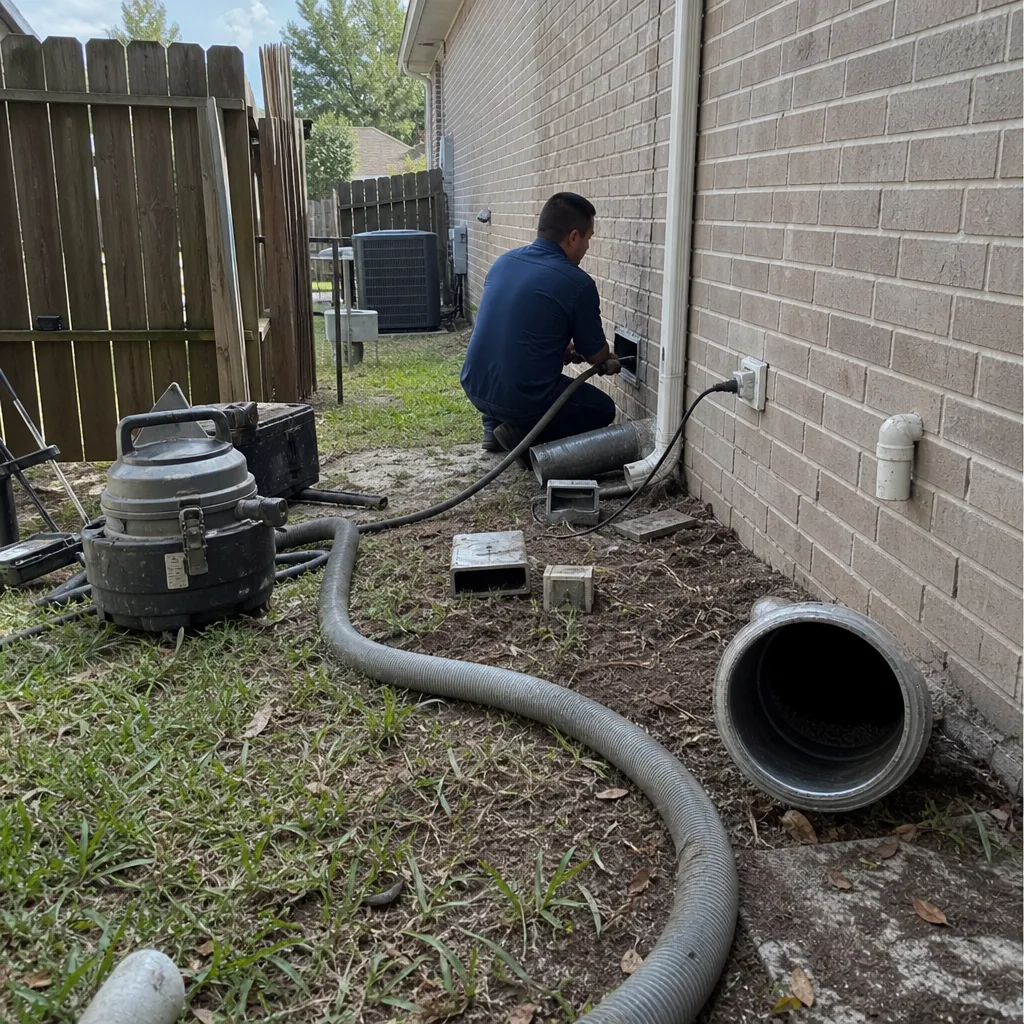 Before
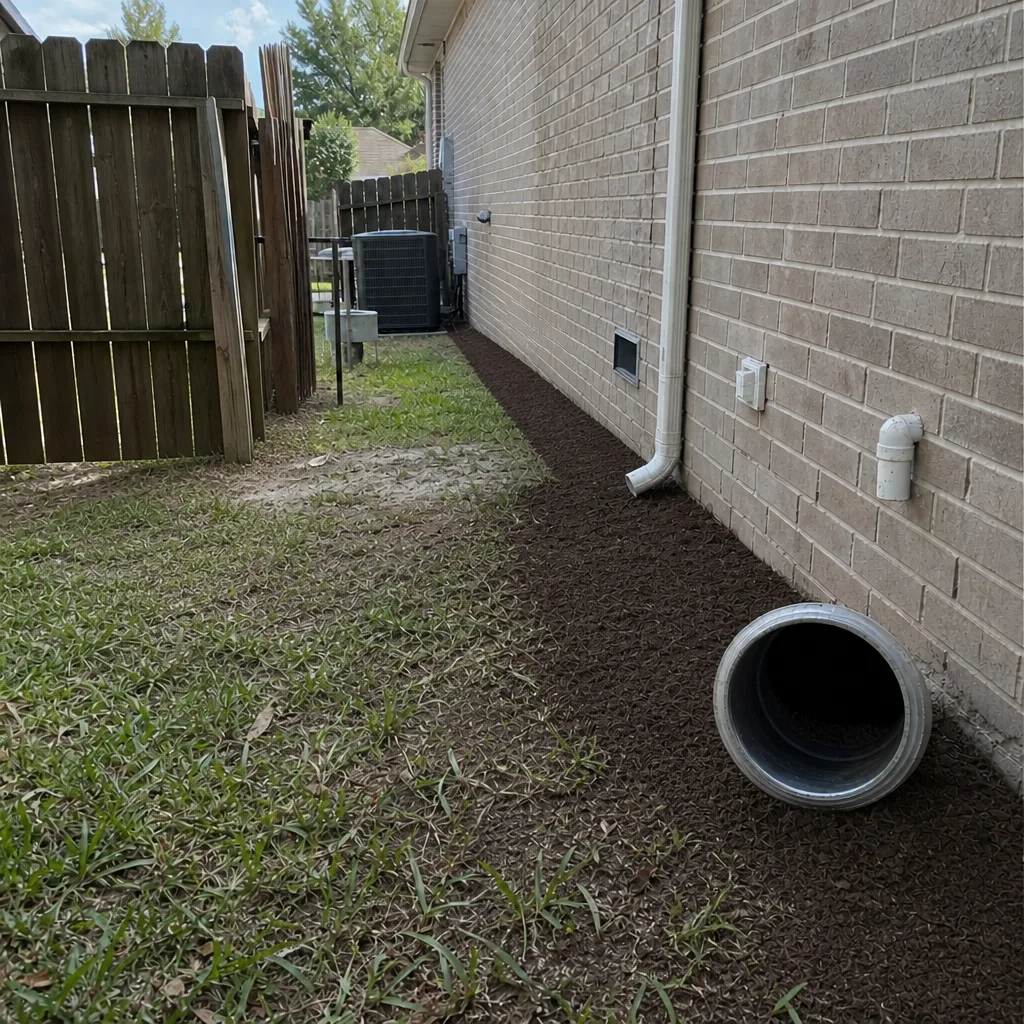 After
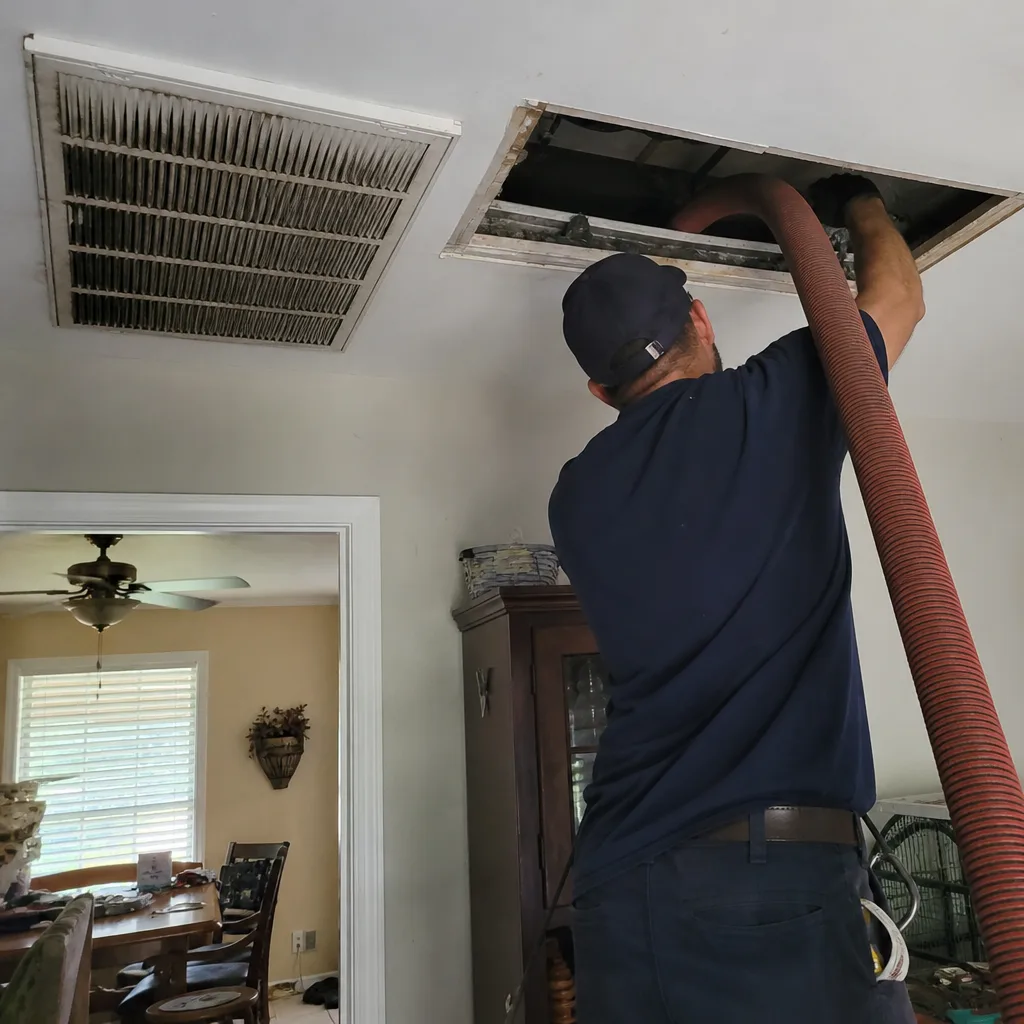 Before
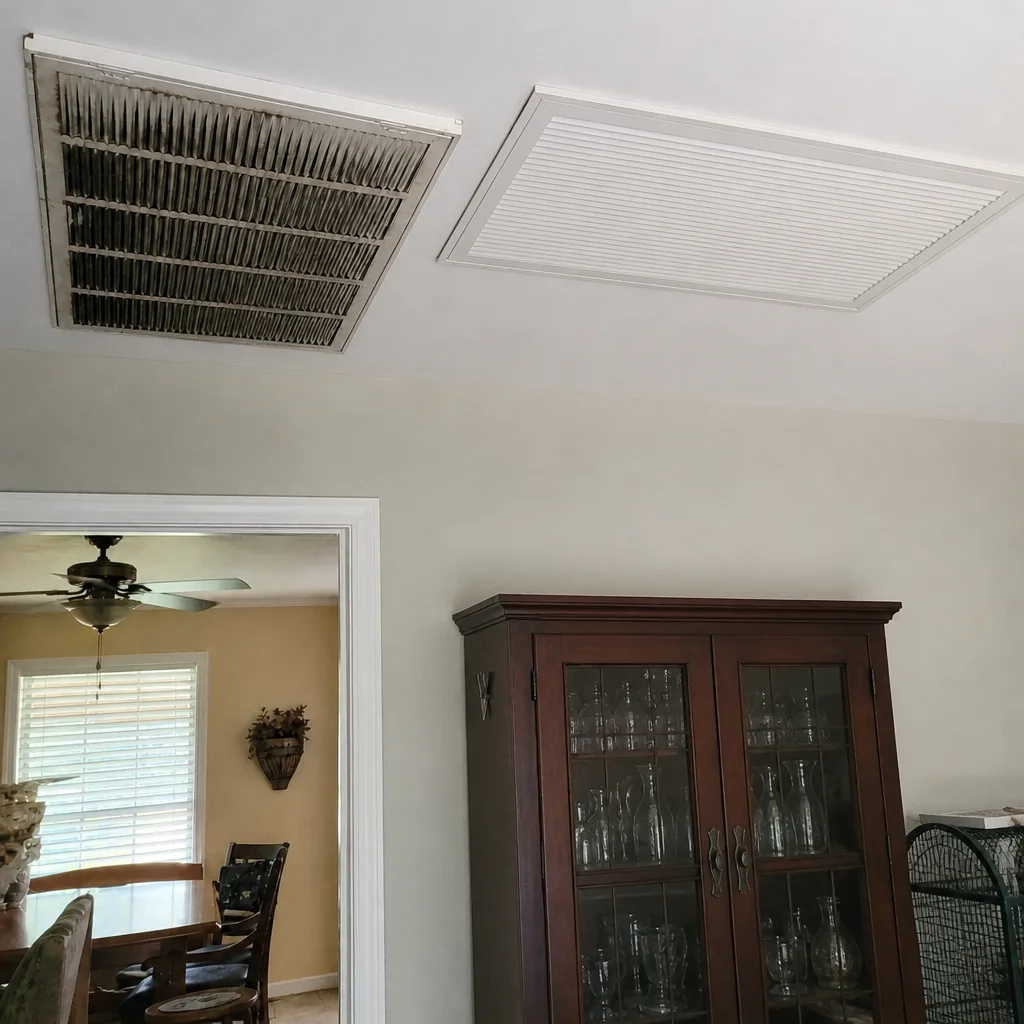 After
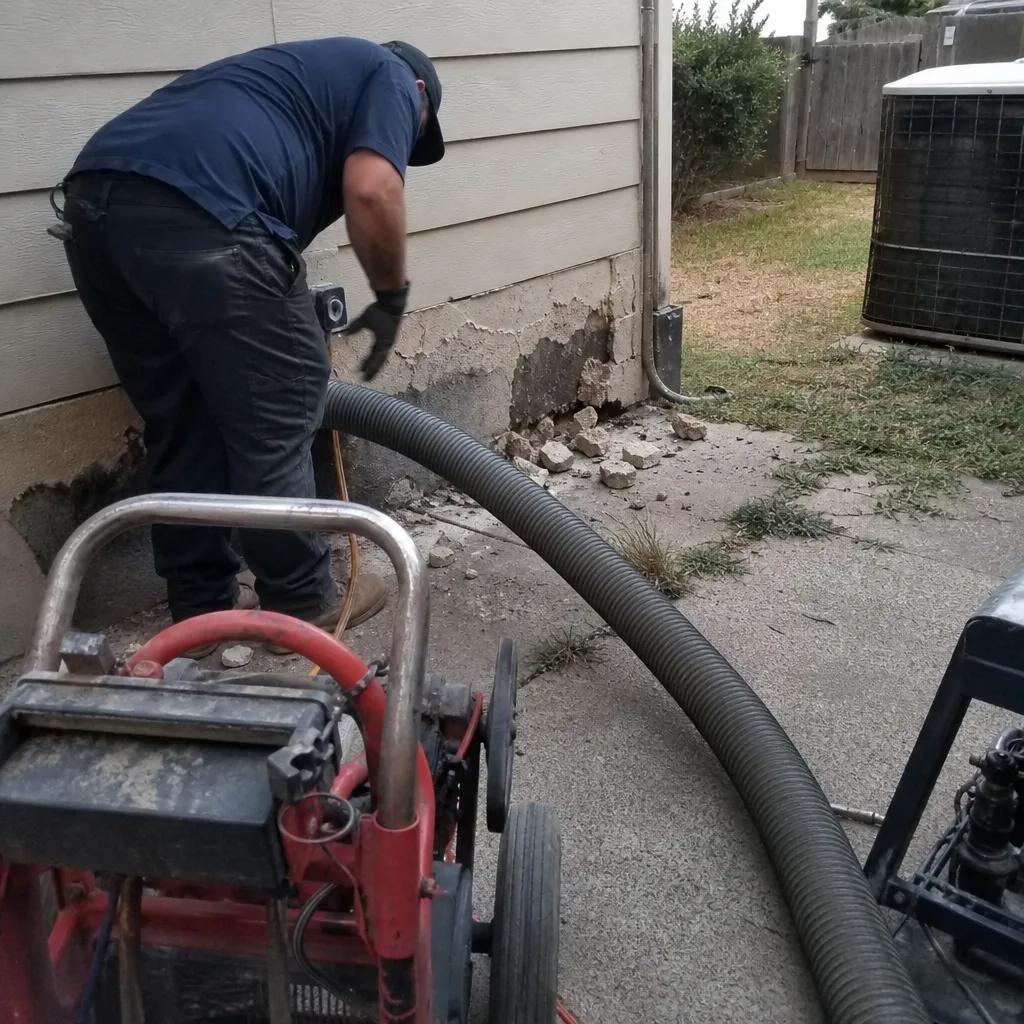 Before
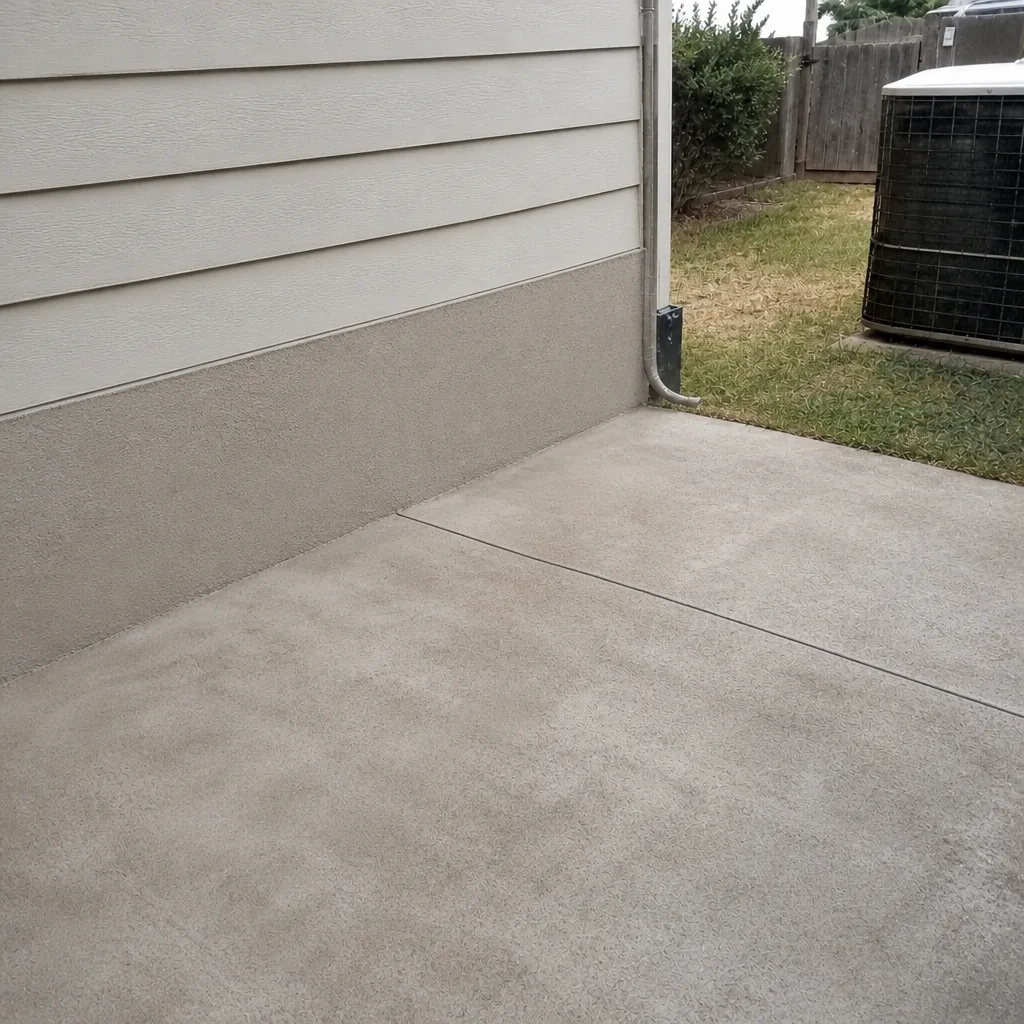 After
When to Call a Professional
Call a professional when you see visible debris or dust streaks around registers, smell a musty odor when the system starts, have just finished a renovation, are moving into a home with unknown service history, or see airflow problems that have gotten worse over time. Any suspected moisture or mold in a Clear Lake duct system is a professional-only job: agitating biological growth without containment spreads it through the house. Duct repairs and sealing also belong to professionals, since flex duct tears from good intentions. Clear Lake Air Duct Cleaning offers free estimates in Clear Lake – call (833) 513-8670. We answer 24/7, and we can also help you decide whether you actually need the work, because we’d rather tell you no than sell you a cleaning you don’t need.
Frequently Asked Questions
You can clean register faces and nearby duct openings with a shop vac, but you can’t effectively clean the duct runs themselves. A shop vac creates positive or neutral pressure inside the duct, which tends to move debris rather than extract it. Professional systems like Rotobrush and Nikro maintain negative pressure across the whole system so debris actually travels to a collection point.
Air duct cleaning in Clear Lake is priced per system, not per vent, and the written estimate sets the final price. Since the price depends on the size and layout of your duct system, the number of runs, and whether repair or sanitizing is needed, the honest first step is a free estimate. Call (833) 513-8670 for an exact quote – estimates are free.
Cheap quotes usually skip containment, skip real agitation equipment, or skip the HVAC cabinet. They may also be teaser pricing that grows significantly once a technician is on site. One flat price per system, agreed before work starts, is the model that actually protects you from the bait-and-switch. If a quote sounds too good to be true in Clear Lake, ask what equipment and containment are included.
Ask for before-and-after photos of your own ducts, not stock images. A real professional job includes verification, and the technician should be willing to show you what was pulled out of the system. Any provider that won’t show you photos of your own ductwork is telling you something.
Most Clear Lake homes don’t need duct cleaning on a fixed schedule. Cleaning makes sense after a renovation, after moving into a resale home, when there’s visible debris or musty odor, or when airflow complaints point to a duct problem. Otherwise, register cleaning, filter changes, and a visual dryer vent check handle the routine upkeep perfectly well.
Not automatically, but it’s less urgent. Duct cleaning is worth it when there’s a specific reason: renovation dust, moisture, visible debris, or airflow issues. If you don’t have those, the honest answer is that you may not need the work right now. Call (833) 513-8670 and we’ll help you figure out whether it’s worth doing – estimates are free.
The Bottom Line
The DIY vs. professional question for air duct cleaning isn’t really about effort or money. It’s about whether the tool you’re holding can generate enough negative pressure to extract debris instead of redistributing it. For register cleaning, filter changes, and a visual dryer vent check, DIY is genuinely useful. For the duct runs themselves, especially in Clear Lake’s flex duct systems and humidity, the equipment gap is real. If you want an honest assessment of whether your Clear Lake home needs a cleaning, a repair, or nothing at all, call (833) 513-8670 for a free estimate. We answer 24/7, with fast dispatch from 7am to 7pm, Sunday through Friday.
Written by the team at Clear Lake Air Duct Cleaning.