
Last updated November 25, 2026
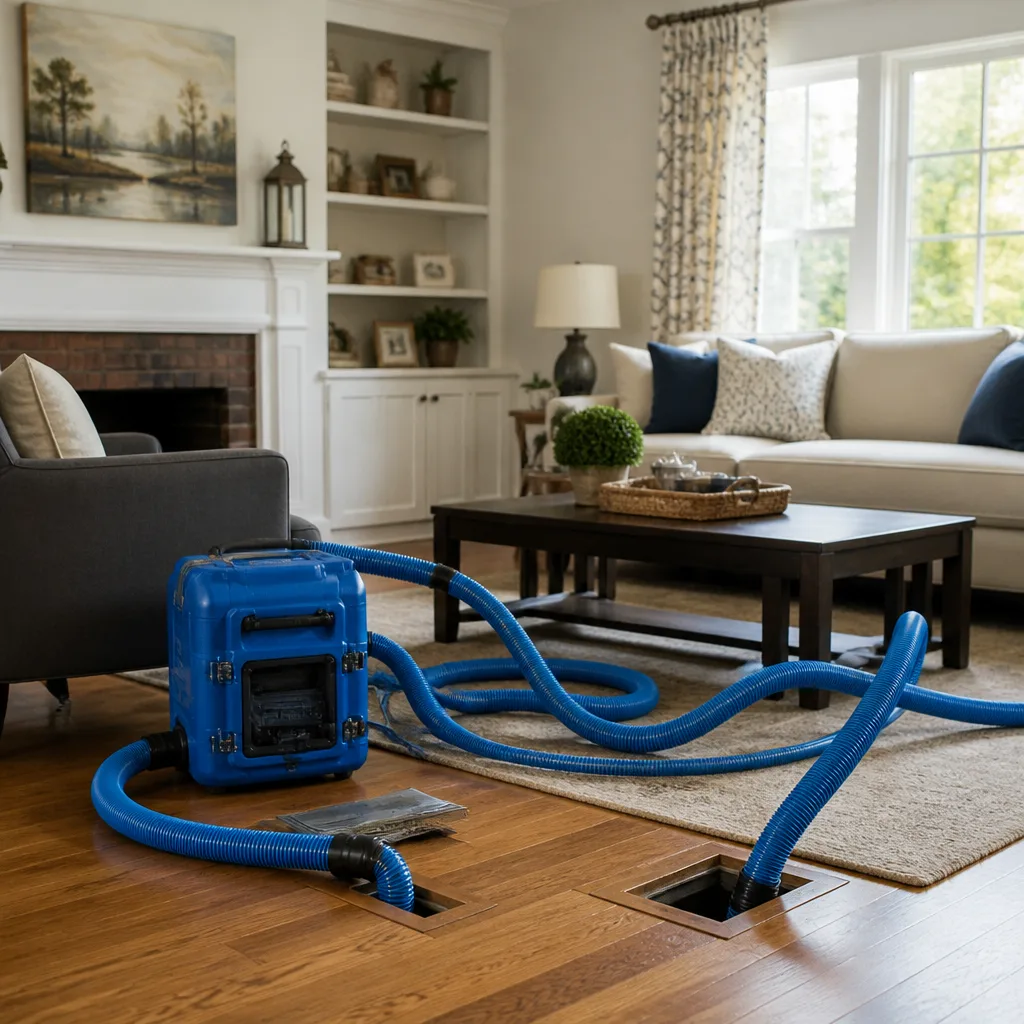 Whole-home duct cleaning
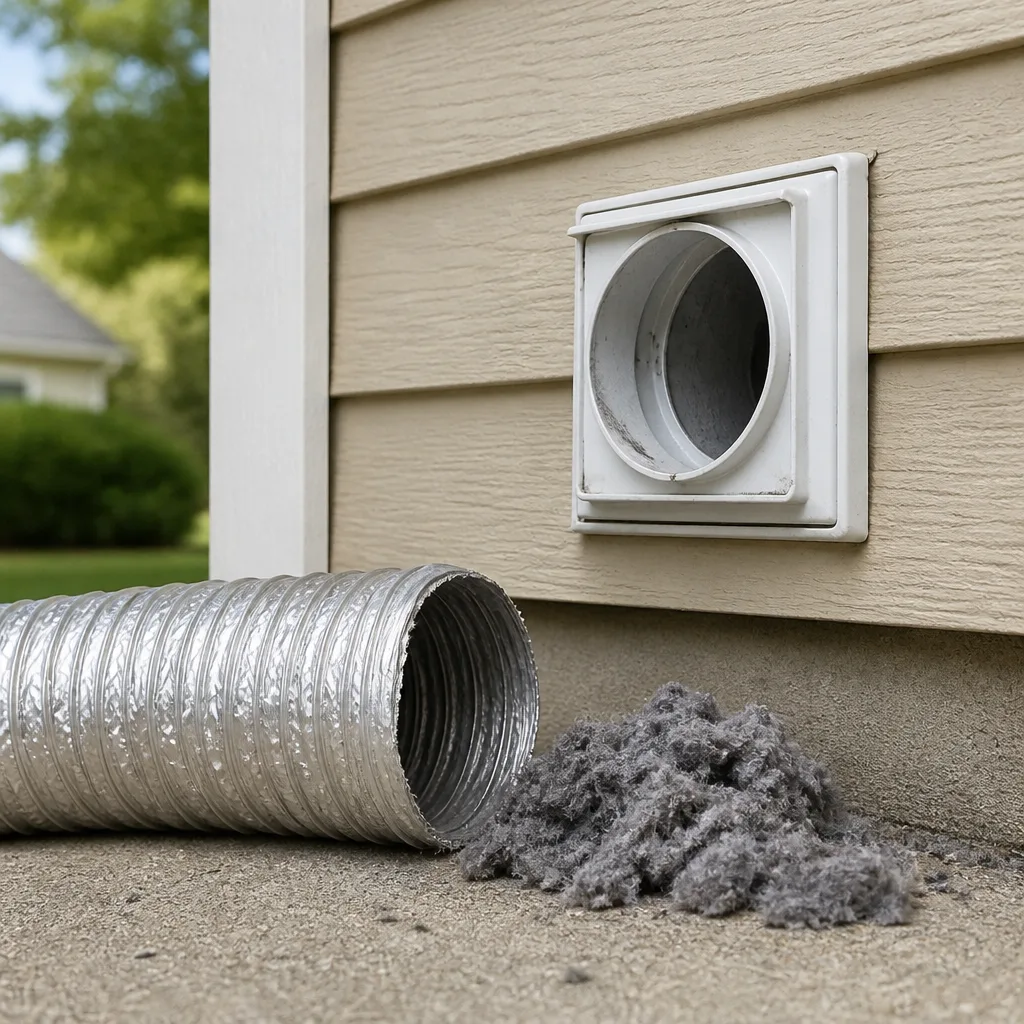 Dryer vent cleaning
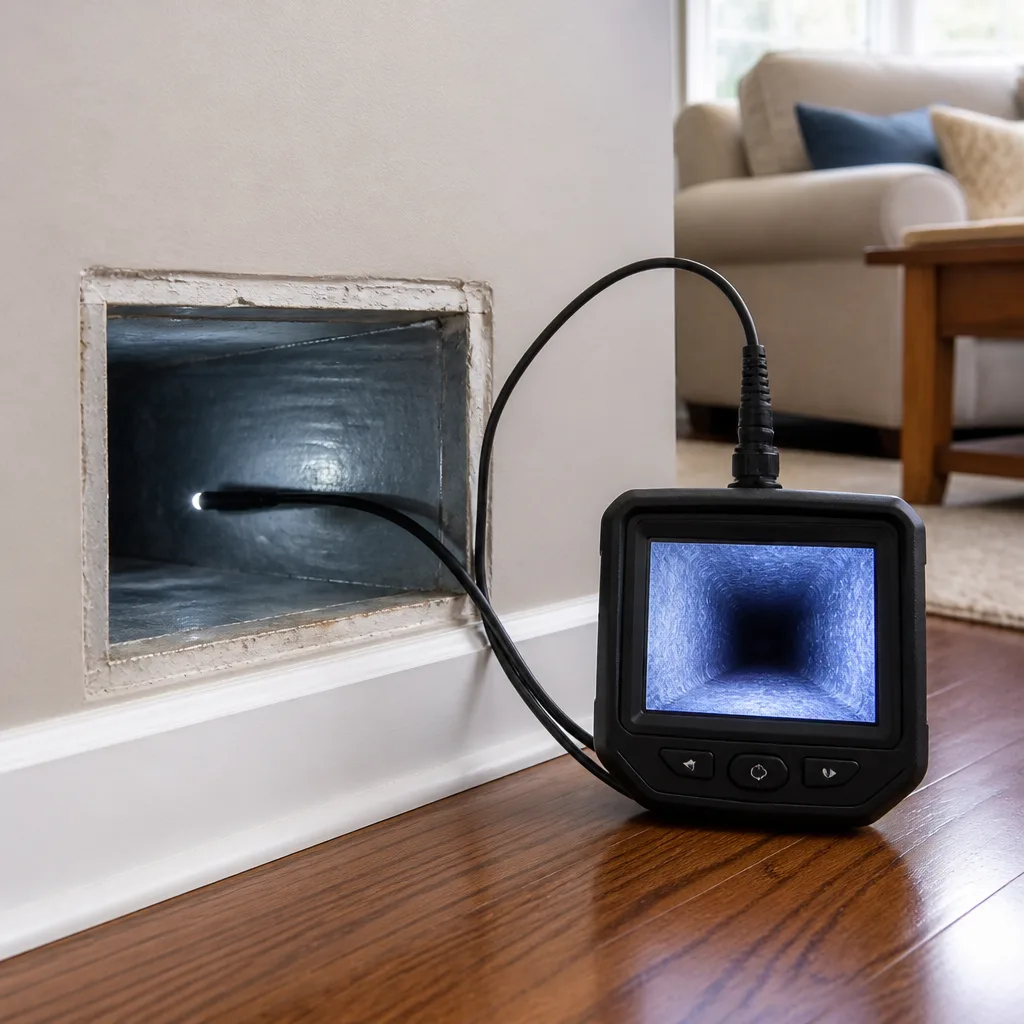 Camera inspection
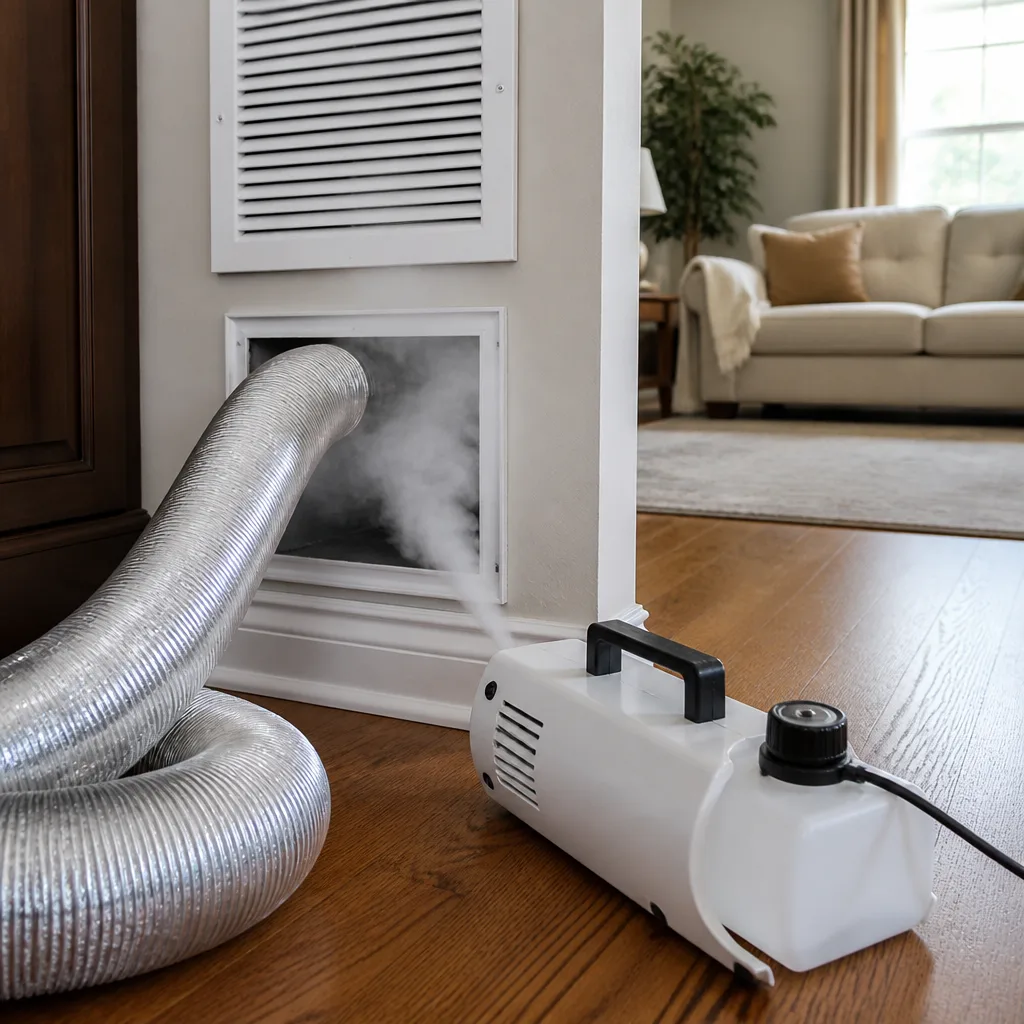 Sanitizing & deodorizing
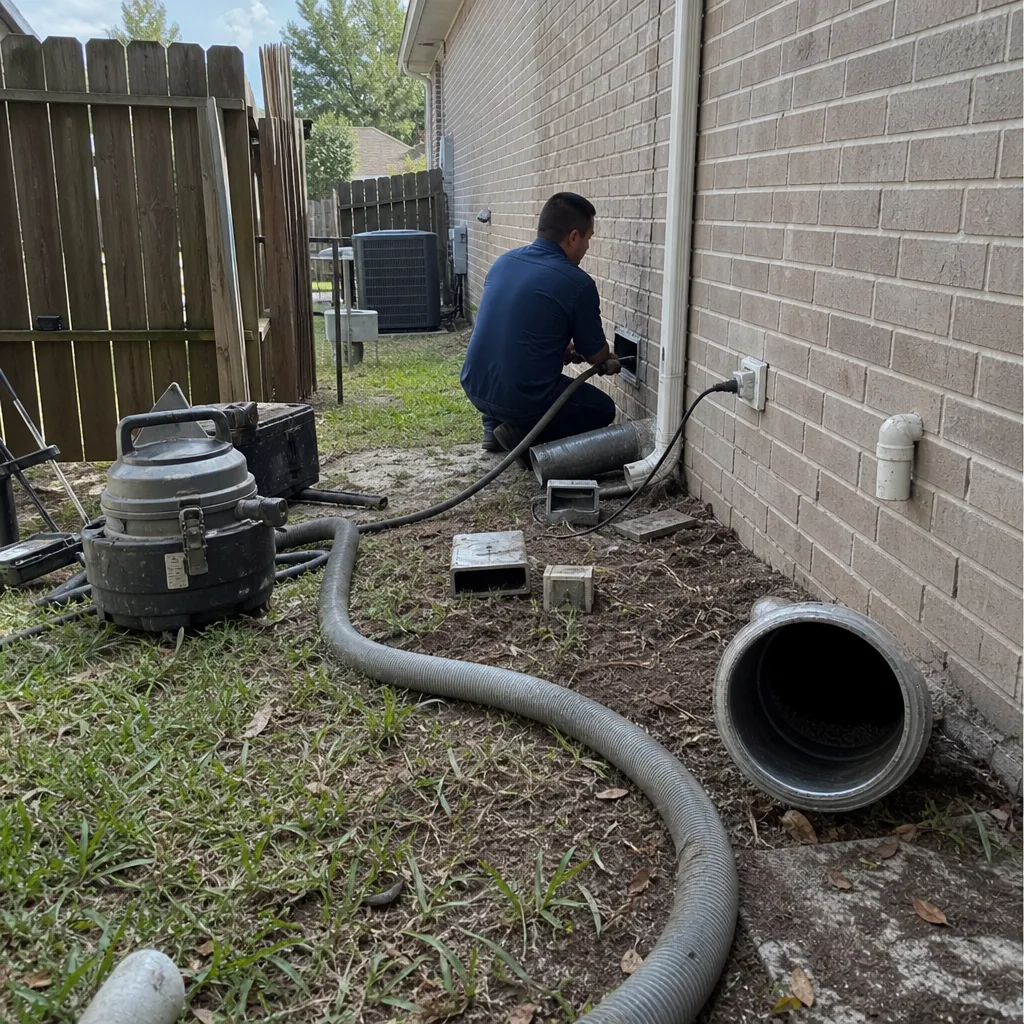
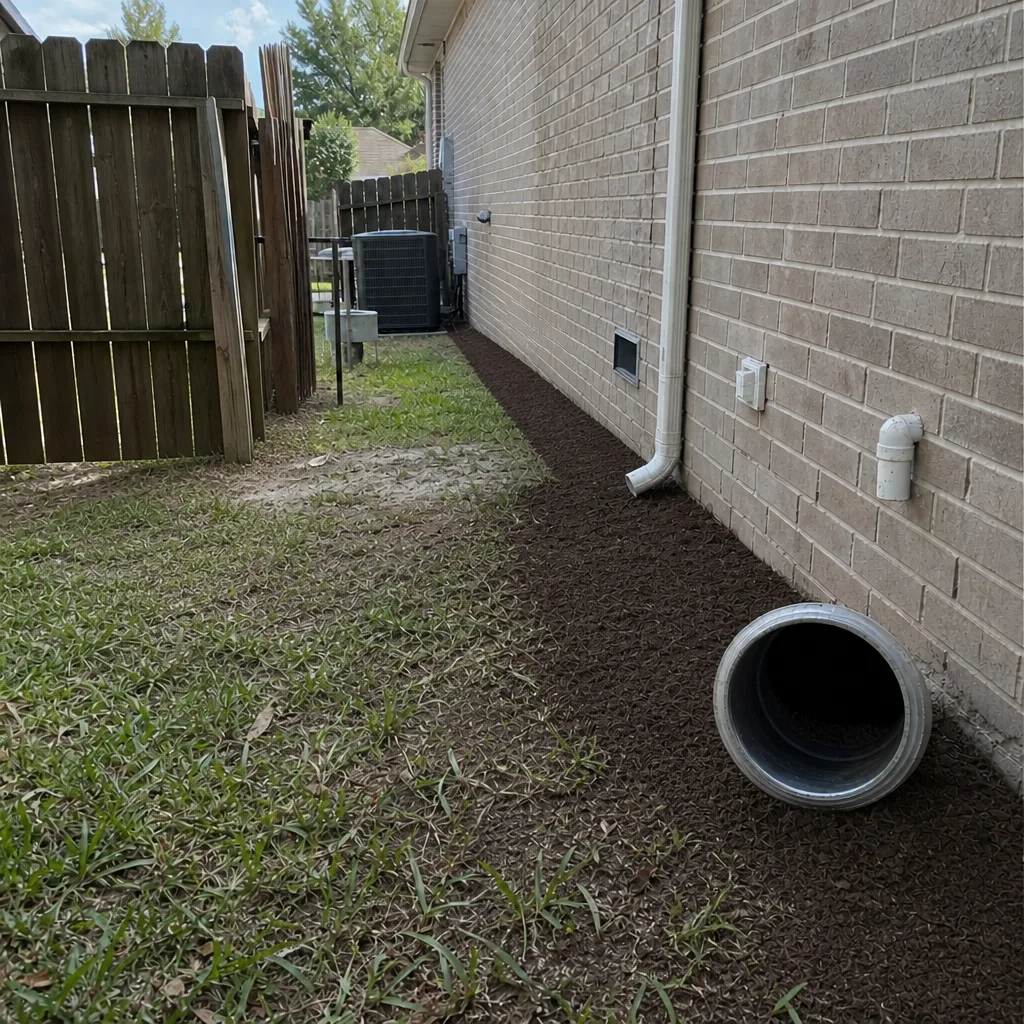
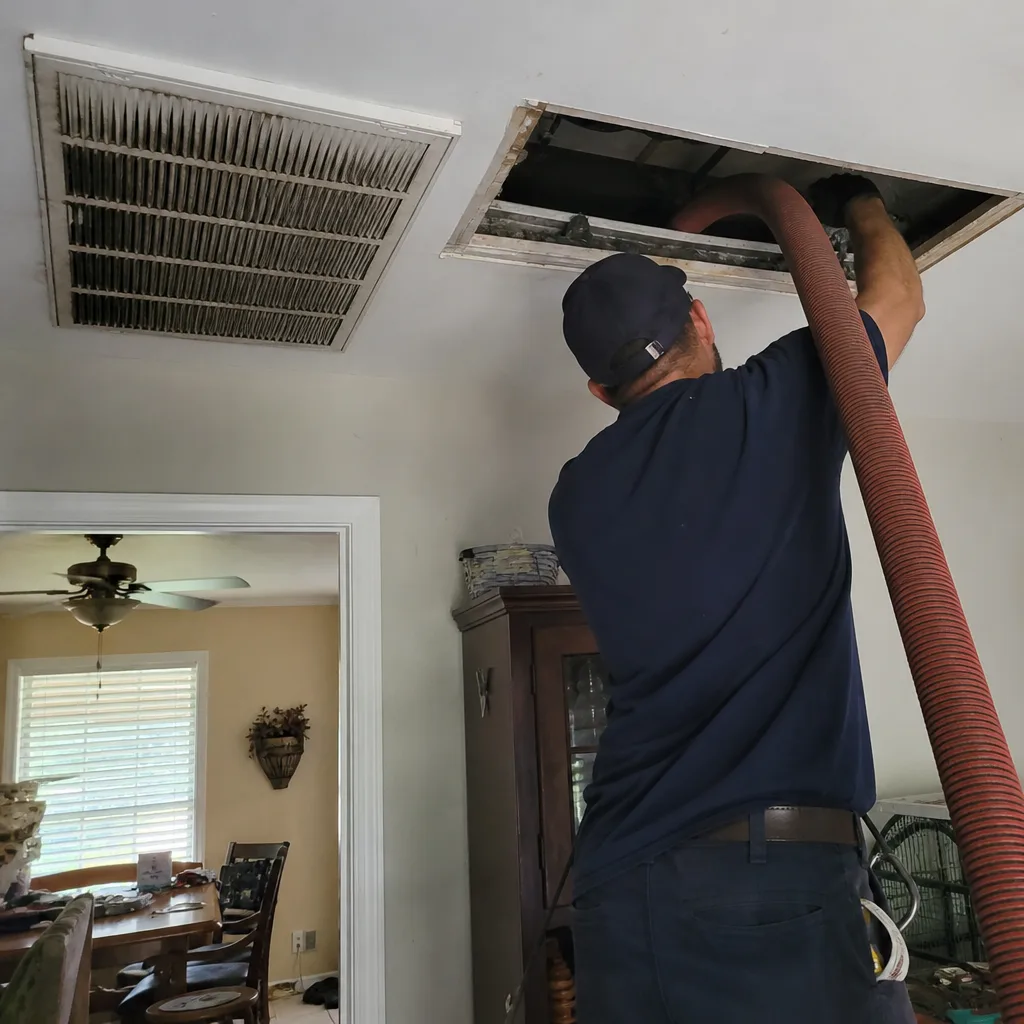
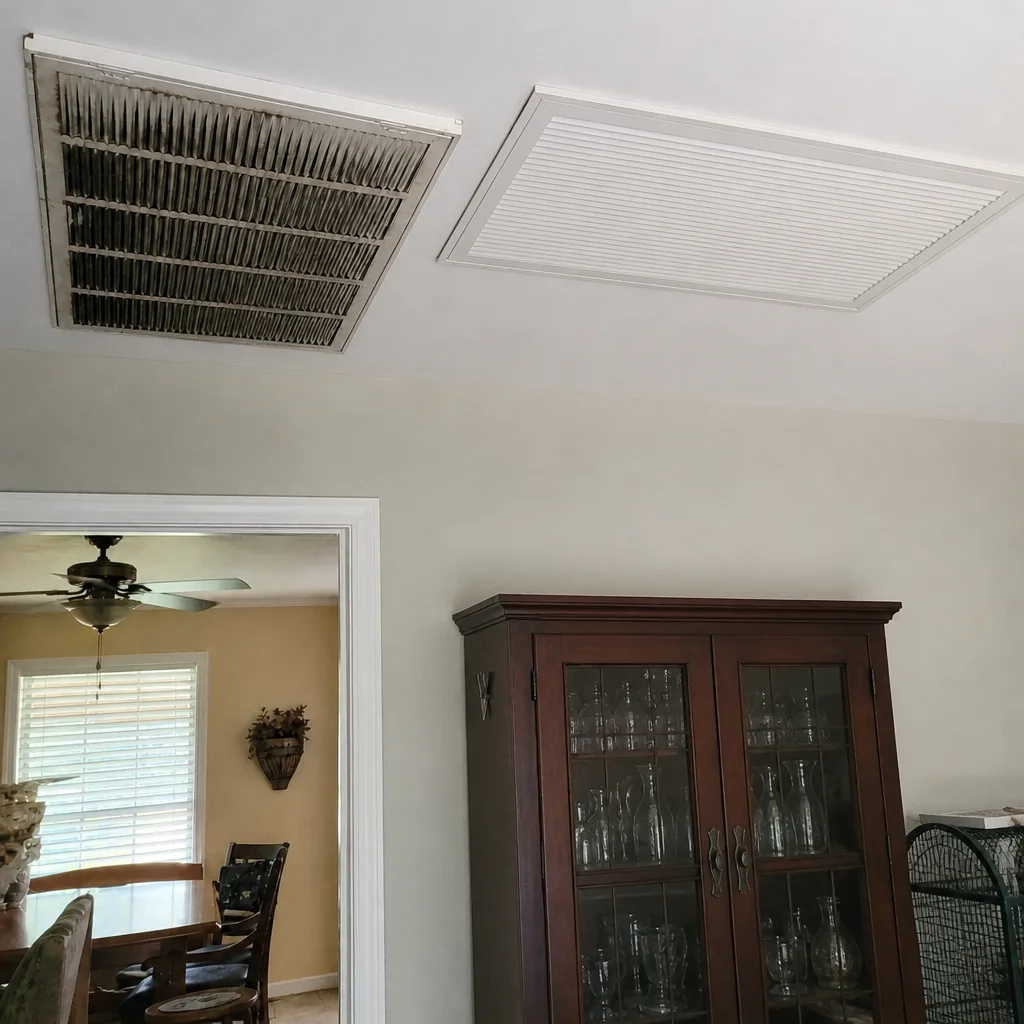
Whole-system duct and dryer vent check with before-and-after photos - you see exactly what came out of your vents
That "$99 whole-house special" is a bait ad - the real number appears once they are in your hallway, or the "clean" is a shop-vac at the register. We photograph the inside of your ducts before and after instead.
Air Duct Cleaning Warning Signs: A Clear Lake Homeowner’s Reference Guide
That musty smell when the air conditioning kicks on is not proof you need your ducts cleaned. It’s proof something is holding moisture inside the system, and cleaning alone may not fix it. In some cases, a standard cleaning without addressing the source can make a biological problem worse by spreading spores through the supply side. That single distinction is where most warning-sign checklists fail Clear Lake homeowners. This guide walks through the symptoms that actually point to duct contamination, the ones that point somewhere else entirely, and how to tell them apart before you spend money on the wrong fix.
Quick Answer
The most reliable warning signs of duct contamination are visible debris blowing out of supply registers, a persistent musty odor that returns after cleaning, and uneven room temperatures that trace back to leaking joints rather than a dirty filter. In Clear Lake’s humid Gulf Coast climate, moisture-driven biological growth and duct leakage cause more indoor air complaints than simple dust buildup, and each one needs a different repair protocol.
Styles & brands we work with
- Whole-home duct cleaning
- Dryer vent cleaning
- Camera inspection
- Sanitizing & deodorizing
Table of Contents
- Odor Symptoms: Biological Growth vs. Dust Accumulation
- Why Uneven Room Temperatures Point to Leaks, Not Dirt
- Reading the Debris at Your Registers: Surface or Systemic
- Allergy and Respiratory Patterns That Trace Back to Ductwork
- Post-Renovation Warning Signs in Houston-Area Homes
- Clear Lake Humidity and What It Does Inside Your Ducts
- How Professional Duct Inspection Actually Works
- When Cleaning Is the Right Answer and When It Isn’t
Odor Symptoms: Biological Growth vs. Dust Accumulation
A smell is the single most useful diagnostic clue a homeowner has, and it’s also the most misread. The type of odor tells you what kind of problem you’re dealing with. Two homes can both smell “off” when the system starts, and one needs cleaning while the other needs moisture control and sanitizing. Treating them the same way wastes money or, worse, spreads the problem.
Dust and debris odors
A dry, dusty smell when the blower starts is usually accumulated particulate sitting on duct surfaces and the evaporator coil. It gets stirred up every time air moves. This is the classic case where a thorough cleaning helps, because you’re removing the source material rather than masking it. The smell tends to be faint, worse on the first startup after the system has been idle, and less noticeable once air has been running for a while.
Biological growth odors
A musty, wet-basement, gym-locker, or “dirty socks” smell is different. That’s the signature of microbial growth, which needs moisture to establish itself. In Clear Lake, where outdoor humidity stays high through much of the year and air conditioning runs long and hard, condensation inside ductwork and on coils is common. The problem isn’t dirt. The problem is a wet surface that keeps regrowing growth no matter how many times it’s cleaned. Cleaning without drying and sanitizing that surface is a temporary fix at best. In our experience, the right sequence is inspection, moisture source correction, sanitizing with a professional-grade product line like Abatement Technologies, and then cleaning.
How to tell them apart
- Note the timing: a smell only on first startup leans toward dust; a smell that persists all day leans toward growth.
- Note the quality: dry and dusty versus damp and musty.
- Check for moisture: any staining, condensation, or damp insulation near the air handler is a red flag.
- Watch whether cleaning alone resolves it. If the smell returns within weeks, moisture is the real driver.
The treatment protocols are genuinely completely different, which is why a cleaner who treats every smell the same way is a cleaner worth questioning.
Why Uneven Room Temperatures Point to Leaks, Not Dirt
If your master bedroom runs five degrees warmer than the hallway, duct cleaning is almost certainly the wrong first move. Uneven temperatures in Clear Lake homes are far more often a duct leakage or sealing issue. Dirt on duct walls does not meaningfully restrict airflow, but a disconnected joint, a crushed flex run, or poorly sealed boot at a register leaks conditioned air into the attic or wall cavity before it ever reaches the room. Cleaning a leaky duct system just gives you clean leaks.
What leakage looks like
- One or two rooms consistently off from the rest of the house, regardless of thermostat setting.
- Weak airflow at certain registers compared to others.
- Higher energy bills without a matching change in usage.
- Attic insulation discolored or dirty near a duct run, which can indicate air escaping there.
Older Clear Lake homes, particularly those built before modern duct sealing standards were common, frequently have leaky joints at plenums and register boots. Newer construction isn’t immune either. The fix is sealing and, in serious cases, repairing or replacing failed sections. This is exactly why we keep duct repair and sealing in the same scope as cleaning. A cleaner who can only clean has to either ignore the leakage or hand you off to someone else. We fix it, not just clean it.
A quick check you can do yourself
- Close every supply register except one, and run the system. If airflow at that register is weak, there may be a restriction somewhere upstream.
- Listen at the air handler and along exposed duct runs in the attic for hissing or whistling, which often marks a leak.
- Feel around register boots and seams for escaping air.
If a room still won’t cool evenly after those checks, a professional inspection of your HVAC cleaning needs and duct sealing is the right next step, not a cleaning-only visit.
Reading the Debris at Your Registers: Surface or Systemic
Visible debris at a register is a real signal, but it’s a signal with two very different meanings. Surface-level debris means dust has collected on or just behind the grille and along the first few inches of the duct. Systemic debris means material is actively circulating through the whole system and re-depositing everywhere. The first is often cleaning-appropriate. The second needs inspection before anyone touches a vacuum.
Surface-level signs
- Fine gray dust coating the grille and the first visible run of duct.
- Debris that wipes away and stays away for weeks.
- No debris blowing out when the system starts.
Systemic signs
- Debris visibly blowing out of registers when the system starts.
- Particles settling on furniture, shelves, or horizontal surfaces throughout the house.
- Dark streaks around register edges or on nearby walls and ceilings.
- Insulation fibers, construction dust, or pet hair appearing in multiple rooms at once.
Systemic symptoms deserve a proper inspection with camera access before any cleaning quote is accepted. Why? Because some systemic material comes from a source you need to fix first, like a disconnected return or a damaged inner liner, and a cleaning crew that doesn’t inspect will simply pull that material through the system and redistribute it. This is one of the most common quality failures in our industry. A professional-grade system like Rotobrush or Nikro, used with proper source capture, is what prevents cross-contamination. But even good equipment is only as useful as the inspection that precedes it.
Allergy and Respiratory Patterns That Trace Back to Ductwork
It’s tempting to blame ducts for every sneeze in the house. The reality is more specific. Certain patterns point to duct contamination. Others point to a filter problem, a humidity problem, or a ventilation problem, and cleaning won’t move the needle on those. Getting this right saves you money and, more importantly, actually helps the person in the house who’s uncomfortable.
Patterns that lean toward duct contamination
- Symptoms that are worst in the first 15 to 30 minutes after the system starts.
- Symptoms concentrated in one or two rooms with visible debris or odor.
- Symptoms that eased after a previous cleaning but returned within a season.
- Symptoms in a household member present during a renovation, when construction dust entered the system.
Patterns that lean toward filter, humidity, or ventilation
- Symptoms that vary with outdoor humidity or weather rather than system operation.
- Symptoms worst in rooms with no return air path, or in closed-off rooms.
- Symptoms that improve when doors are left open and worsen when rooms are shut tight.
- Symptoms that don’t correlate at all with HVAC activity.
Filter selection and change frequency are worth checking before any cleaning conversation. So is indoor humidity. In Clear Lake, indoor relative humidity that climbs into the high 50s or above through the summer months is a common driver of both discomfort and microbial growth. Your AC is a dehumidifier as much as a cooler. If it’s not keeping humidity in check, the duct system is a secondary issue. Whole-home air quality control systems from Honeywell and Aprilaire are part of how that gets managed, and we work with both product lines because they’re engineered for the problem rather than patched onto it.
Post-Renovation Warning Signs in Houston-Area Homes
Renovations are the single largest source of duct contamination in Houston-area homes, and most homeowners never connect the two. Drywall sanding dust is the worst offender. It’s fine, it’s sticky, and it travels into return air grilles the moment the HVAC system runs. And in a region where the AC typically stays on during construction to keep crews comfortable and materials stable, a lot of it does travel. Concrete cutting dust, insulation fibers, and wood dust follow the same path.
Signs your system picked up renovation debris
- Visible dust plumes at supply registers after work is done.
- A drywall-dust smell that lingers for weeks or months.
- A noticeable drop in airflow in rooms near the work area.
- Dust collecting on horizontal surfaces faster than usual.
- Symptoms in household members with asthma or allergies after moving back into renovated rooms.
When it becomes a health concern
It becomes a real concern when the dust load is high enough to remain airborne, when fine particles settle into the system and keep getting re-suspended, or when renovation moisture has driven biological growth alongside the dust. Drywall dust in particular is abrasive and hard on blower motors and coils. Cleaning and sanitizing with professional products like Guardsman or Abatement Technologies is the standard right move after a major renovation. In our experience, the homes that wait six months before addressing renovation dust almost always end up replacing a blower motor or a coil, and that cost far exceeds a proper cleaning.
Post-renovation rule of thumb
- Minor cosmetic work: no cleaning needed unless you see debris at registers.
- Drywall repair, tile work, or full remodels: clean and sanitize once work is complete.
- Concrete cutting or heavy demolition nearby: inspect and clean, no question.
Clear Lake Humidity and What It Does Inside Your Ducts
Clear Lake’s climate adds a variable that inland guides ignore. Outdoor humidity stays high across most of the year, and the air conditioning system is running for months on end. That long, continuous cooling season means condensation can form anywhere in the system that isn’t insulated or sealed properly. Ductwork that passes through unconditioned attic space in a humid climate accumulates condensation on its exterior or, if it’s uninsulated flex duct, on its interior surface. Interior condensation is the entry point for microbial growth.
That’s why the recommendations here differ from what you’d find in a dry, inland climate. A dusty, dry duct system in an arid region is a dust problem. A duct system in Clear Lake that’s running eight or nine months a year in high humidity is a moisture management problem too. The same ducts need to be closed up and sealed against humid attic and crawlspace air, not just cleaned. This is one of the strongest reasons our Duct Repair & Sealing service exists as its own scope. Without sealing, a cleaning job that looks perfect in the photos can regrow the same problem by the next humid month. We prefer to give you clean, sealed, and sanitized in the same relationship so the fix holds.
How Professional Duct Inspection Actually Works
Before anyone cleans, someone should look. A real inspection means opening access points, running a camera through the supply and return runs, checking the air handler and evaporator coil, and documenting what’s found. Here’s what that process should look like when it’s done right.
- Visual and camera survey. Verify the condition of the interior of ducts, joint integrity, insulation, and whether there’s moisture or biological growth.
- Source identification. Identify where debris and moisture are entering. It’s often a disconnected return, a damaged duct section, or a boot not sealed at the floor.
- Photo documentation. You should see before-and-after photos of your own ducts, not stock images. If a company won’t provide them, that’s a signal.
- Written scope and flat price per system. A clear, itemized scope of what gets cleaned, what gets sealed, what gets sanitized, and a single flat price for the system. Not a per-vent price that can inflate on-site.
- Equipment confirmation. Ask what equipment will actually be used in your home. Professional-grade systems like Rotobrush and Nikro are purpose-built for ductwork. Consumer vacuums and generic fogging equipment aren’t equivalent, and it’s fair to expect the former.
If a quote arrives before any of that happens, treat it as a guess. Estimates should be free, and they should be based on the inspection, not a phone call. Call Clear Lake Air Duct Cleaning if you’d like to know what that inspection looks like in your specific home.
When Cleaning Is the Right Answer and When It Isn’t
Not every home needs duct cleaning, and we tell people that honestly. Some do, most don’t need it every year, and a few need it badly. The point of this guide is to help you tell which one you are.
Cleaning is the right answer when
- There’s visible debris or material blowing out of registers.
- A recent renovation introduced construction dust into the system.
- The system has never been serviced and there’s visible accumulation.
- A pest presence has been addressed and follow-up cleaning is needed.
- Mold or biological growth was confirmed during inspection and the moisture source has been addressed.
Cleaning is not the answer when
- The main complaint is uneven temperatures. That’s almost always a sealing issue.
- The smell is musty and returns after cleaning. That’s a moisture problem.
- The complaint is high humidity indoors. That’s a system capacity or ventilation issue.
- Symptoms persist in only one room with no debris. That’s often a filter or airflow problem.
- No visible debris and no symptoms. Most modern homes in this condition don’t need cleaning. A professional will tell you so.
For a more complete picture of how the cleaning process works and what to expect, our air duct cleaning page walks through the workflow. If your dryer has been taking longer than usual, that’s a separate but related concern, and our dryer vent cleaning page covers what to look for. Both are part of the same air delivery and safety picture in your home.
Common Mistakes to Avoid
- Choosing the cheapest cleaning quote. A low teaser price rarely survives the on-site visit, and by then the technician has already started. A flat price per system, agreed in writing before work begins, is what protects you.
- Cleaning before inspection. Pulling a vacuum through a system that hasn’t been inspected risks redistributing debris and can damage loosely attached duct components. Inspect first, always.
- Assuming every odor means dirty ducts. A musty smell means moisture, and cleaning alone can make that worse if the surface isn’t dried and sanitized. Different smell, different protocol.
- Ignoring sealing in a humid climate. In Clear Lake, an unsealed duct system that’s been cleaned will often show the same problems again within a season. Cleaning without sealing is a temporary fix.
- Skipping the post-renovation cleanup. Drywall dust stays in the system and wears on the blower motor and coil. Address it once the work is done, not months later.
- Accepting “before-and-after” photos that aren’t yours. Stock photos prove nothing. Ask for photos of your ducts, taken during your job.
- Relying on consumer-grade equipment. A shop vacuum and a brush aren’t a professional duct cleaning. Purpose-built systems exist for a reason, and it’s fair to ask what will actually be used.
See the difference
 Before
 After
 Before
 After
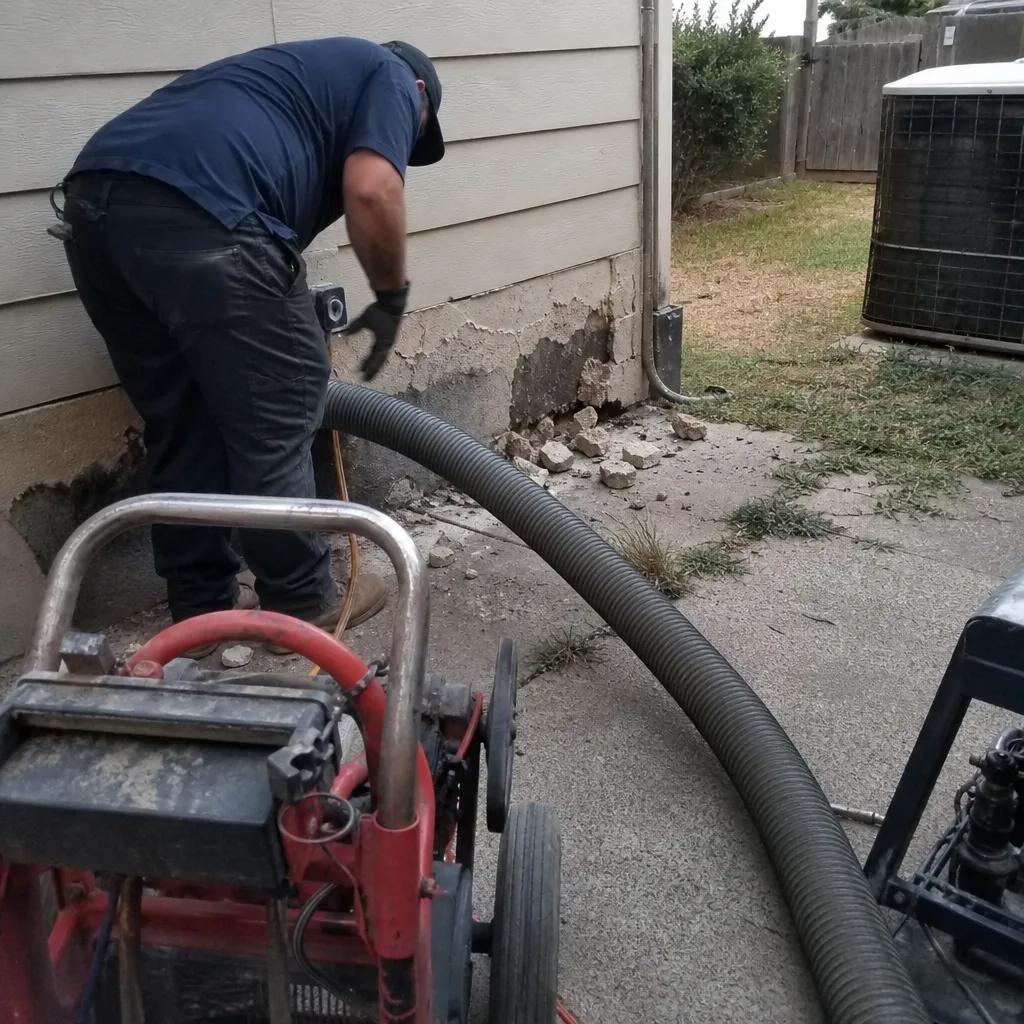 Before
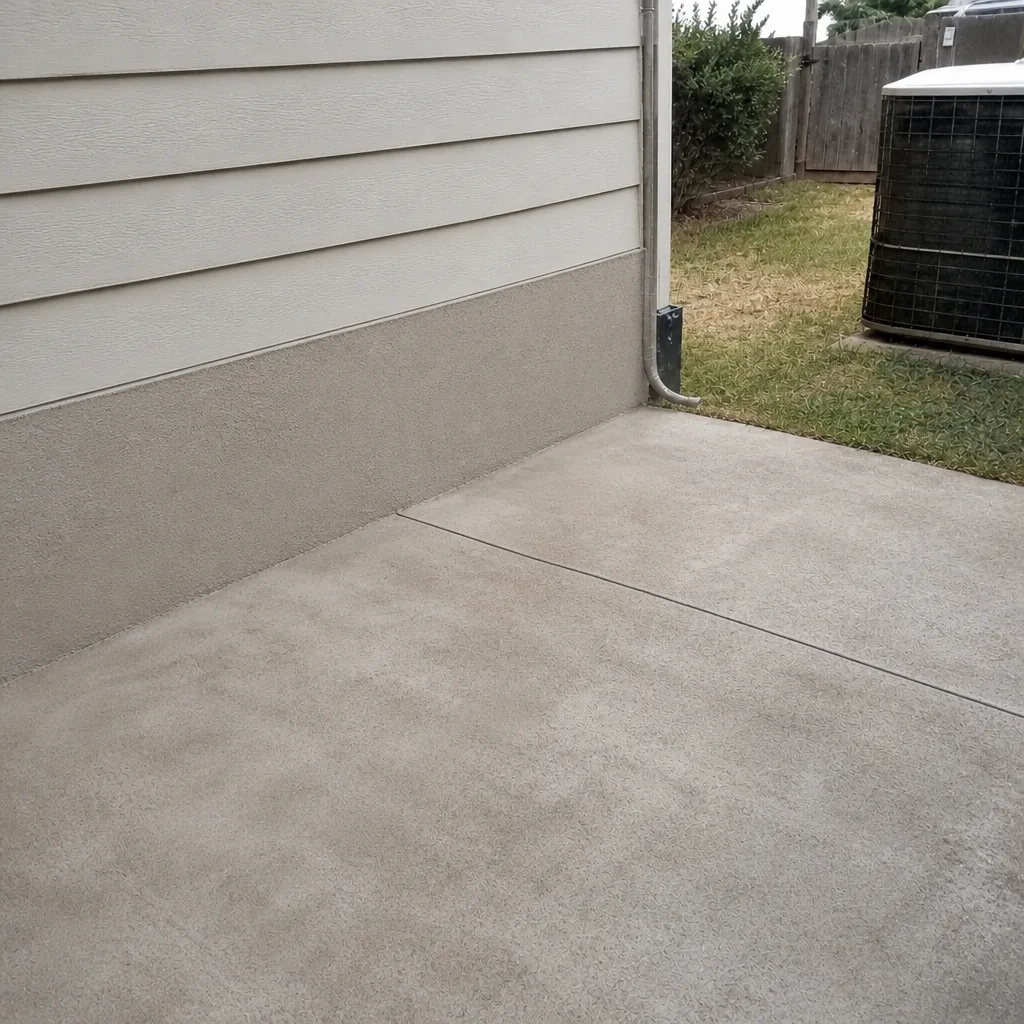 After
When to Call a Professional
Call a professional when you notice debris blowing out of registers, a musty smell that returns after any cleaning, uneven temperatures in specific rooms that don’t respond to thermostat changes, or a post-renovation dust problem. Call if you’ve never had the system inspected and something about it doesn’t feel right. Call if you’re not sure which of the problems above applies, because that’s exactly the situation where a proper inspection saves money. Our technicians have up to 10 years of experience reading the difference between these symptoms, and a free estimate in Clear Lake starts with a look at your actual system, not a script. Clear Lake Air Duct Cleaning offers free estimates in Clear Lake. Call (833) 513-8670 to schedule.
Frequently Asked Questions
It depends on the size, condition, and accessibility of your duct system, which is why we quote a flat price per system after inspection rather than a per-vent figure. We don’t publish a fixed range because a fair price for a small, single-story home and a large two-story home in Clear Lake with a complicated attic layout are genuinely different. The written estimate sets the final price, and it’s free. Call (833) 513-8670 for an exact quote.
Cheap quotes are usually priced per vent with a low teaser rate, then inflate on-site once work begins, or they rely on consumer-grade equipment that doesn’t properly clean a duct system. A real cleaning uses professional-grade systems and includes inspection, which costs something. A legitimate company will show you the scope in writing before work starts. Call (833) 513-8670 for a straight answer on what your home needs.
You should receive before-and-after photos of your own ductwork, taken during your job, and a written scope that matches what was performed. Any reputable company can show its work. Ask for it up front. If a company can’t provide photos of your ducts, treat that as a warning sign. Call (833) 513-8670 to talk through what our inspection and cleaning process looks like.
For most homes in Clear Lake with no specific warning signs, cleaning every three to five years is a reasonable interval, and plenty of homes don’t need it that often. Homes with pets, recent renovations, or a history of moisture issues need it more frequently, sometimes annually. The honest answer is that it should be driven by symptoms and inspection, not a calendar. Call (833) 513-8670 for an estimate if you’re not sure where you fall.
No. A musty smell almost always points to moisture and biological growth, not simple dust accumulation. Cleaning without addressing the moisture source and without sanitizing the affected surfaces can make the problem worse by spreading spores. The right first step is inspection and moisture correction, then cleaning and sanitizing. Call (833) 513-8670 to book an estimate that starts with a proper look at your system.
Almost never. Uneven temperatures in Clear Lake homes are most often caused by duct leakage, unsealed joints, or crushed sections rather than dirt. Cleaning won’t fix leakage. Sealing and repairing the duct system is what resolves it. Call (833) 513-8670 for an estimate that includes an airflow and leakage check, not just a cleaning quote.
The Bottom Line
Not every warning sign means your ducts need cleaning, and a good guide should tell you which signs point to which fix. Musty smells point toward moisture and biological growth. Uneven temperatures point toward leakage and sealing. Visible debris at registers is the clearest sign cleaning is appropriate, and even then, an inspection comes first. Post-renovation dust is the most common cause of real contamination in this region, and skipping that cleanup costs more later. If you’re not sure which category you’re in, get an honest inspection before spending a dollar on cleaning. Call (833) 513-8670. We answer 24/7. Fast dispatch from 7am to 7pm, Sunday through Friday.
Written by the team at Clear Lake Air Duct Cleaning.