
Last updated November 25, 2026
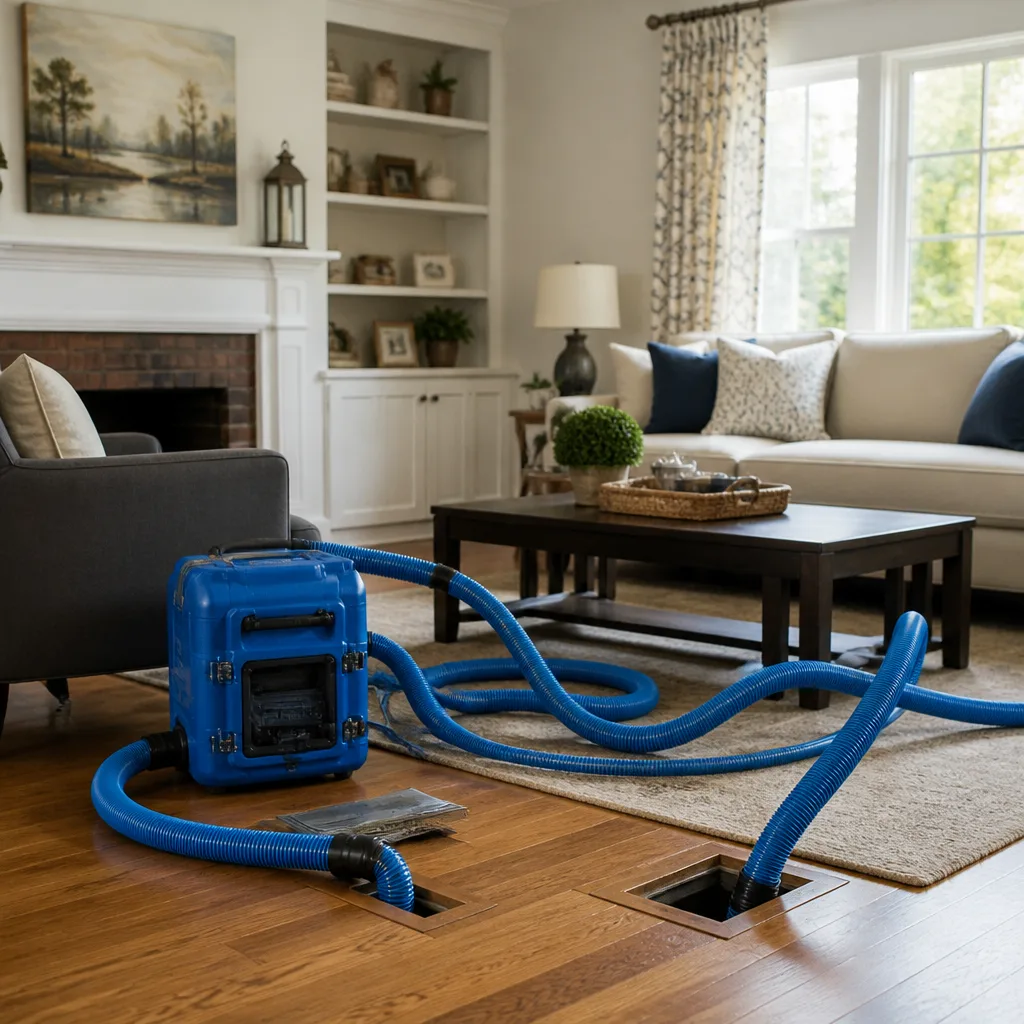 Whole-home duct cleaning
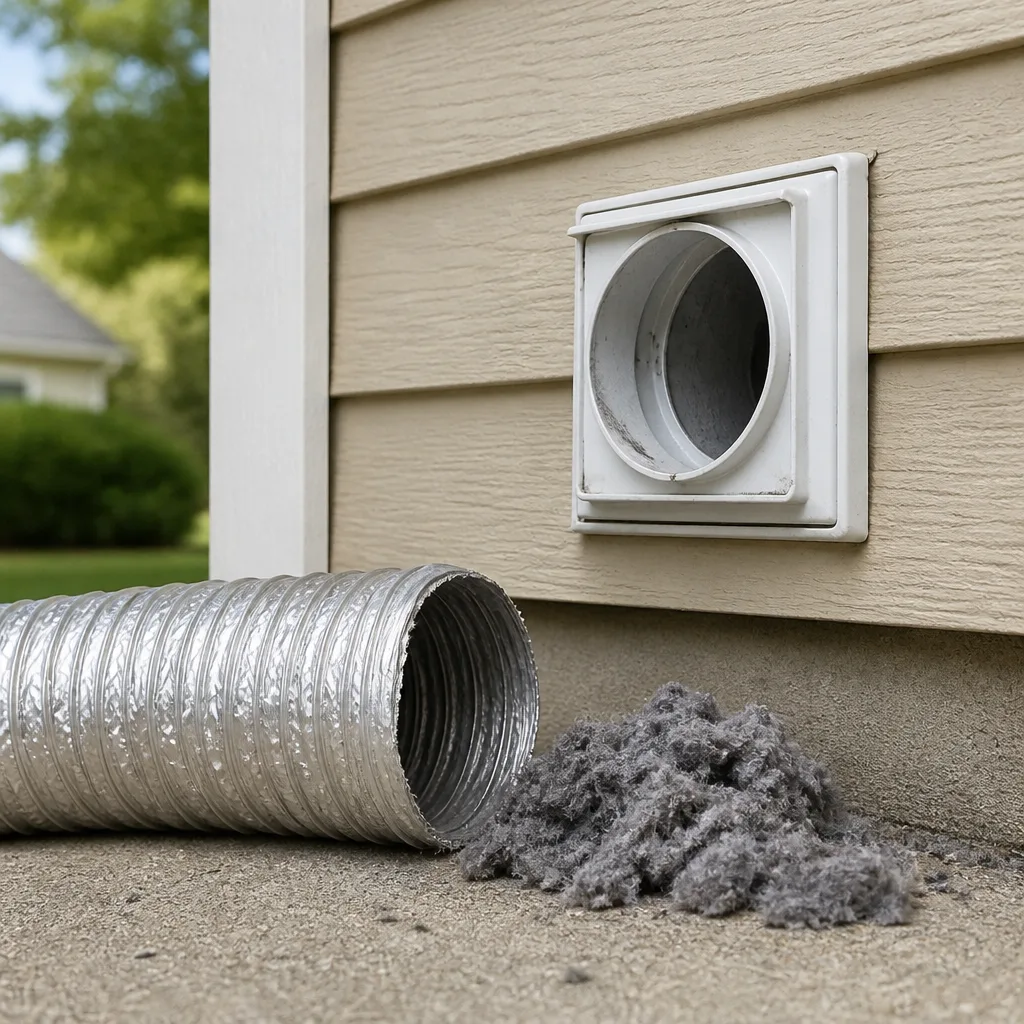 Dryer vent cleaning
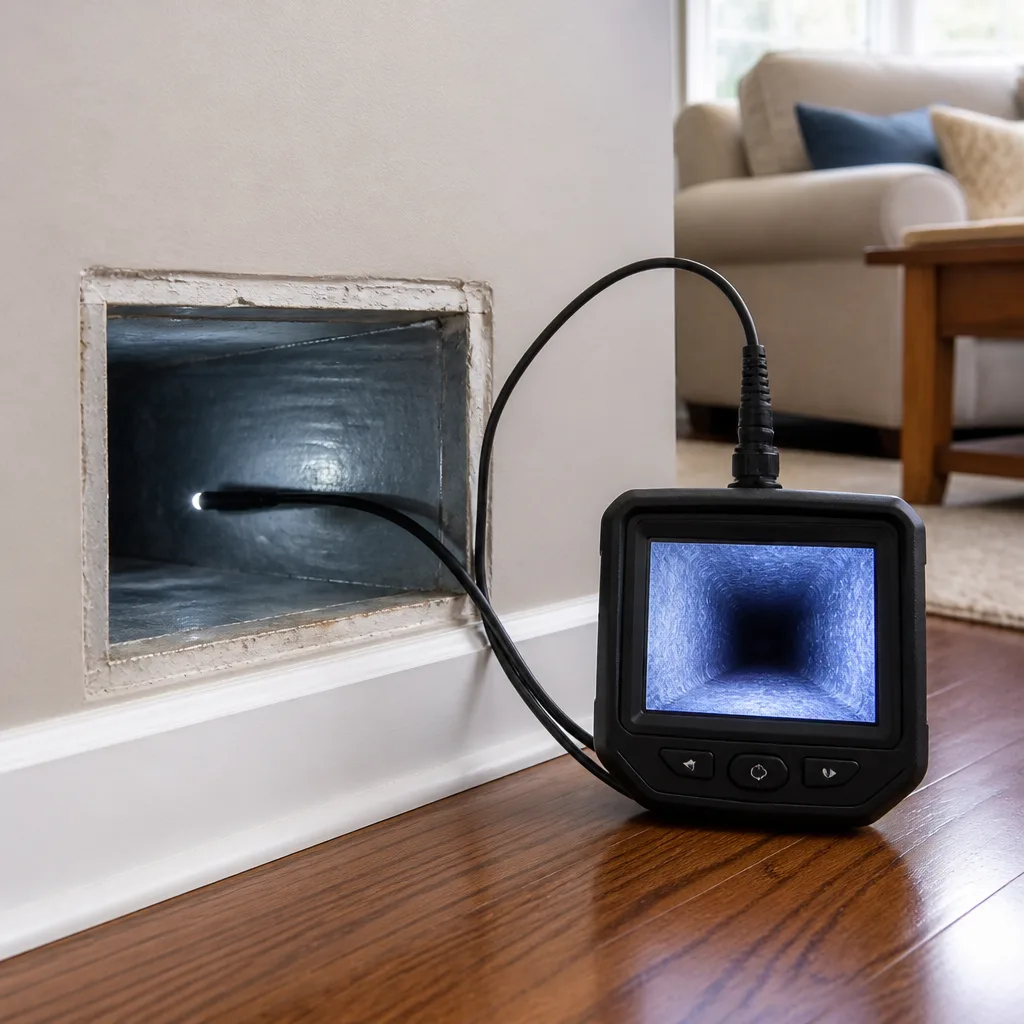 Camera inspection
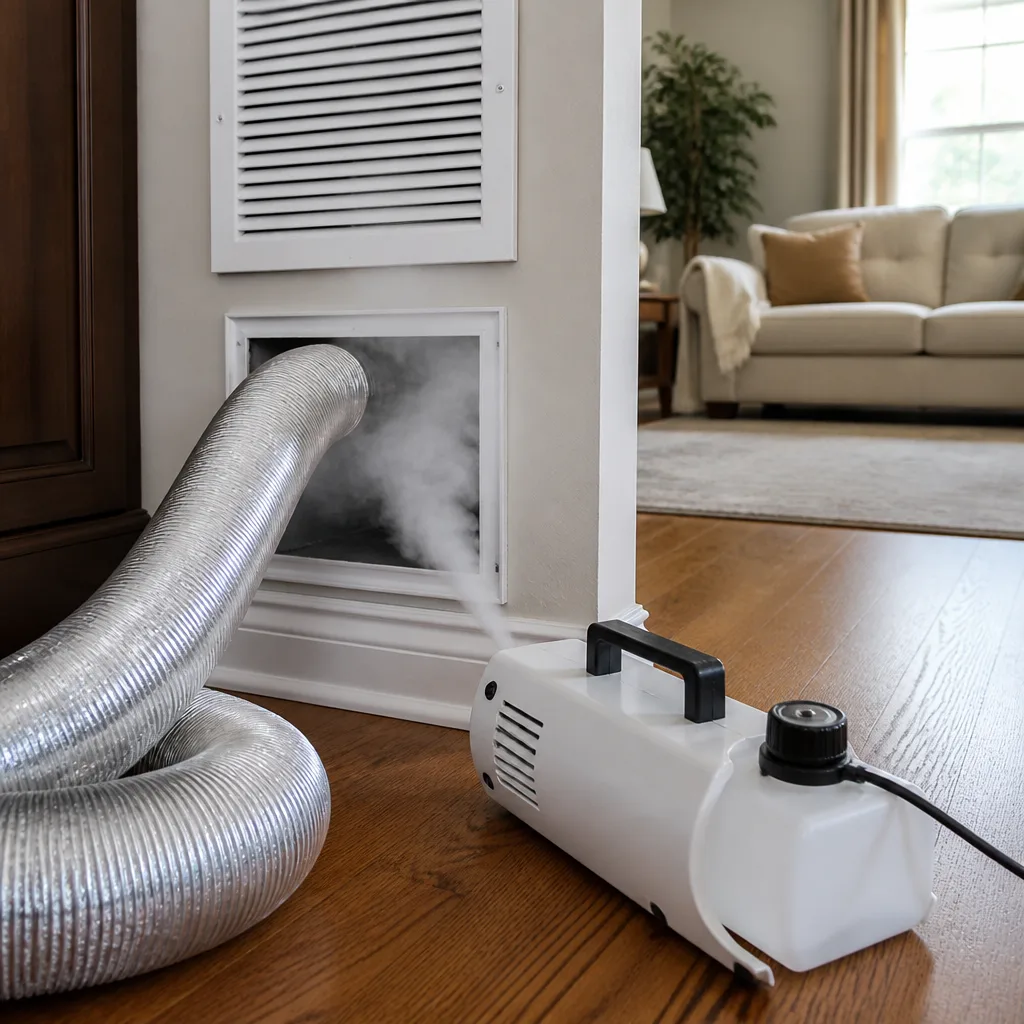 Sanitizing & deodorizing
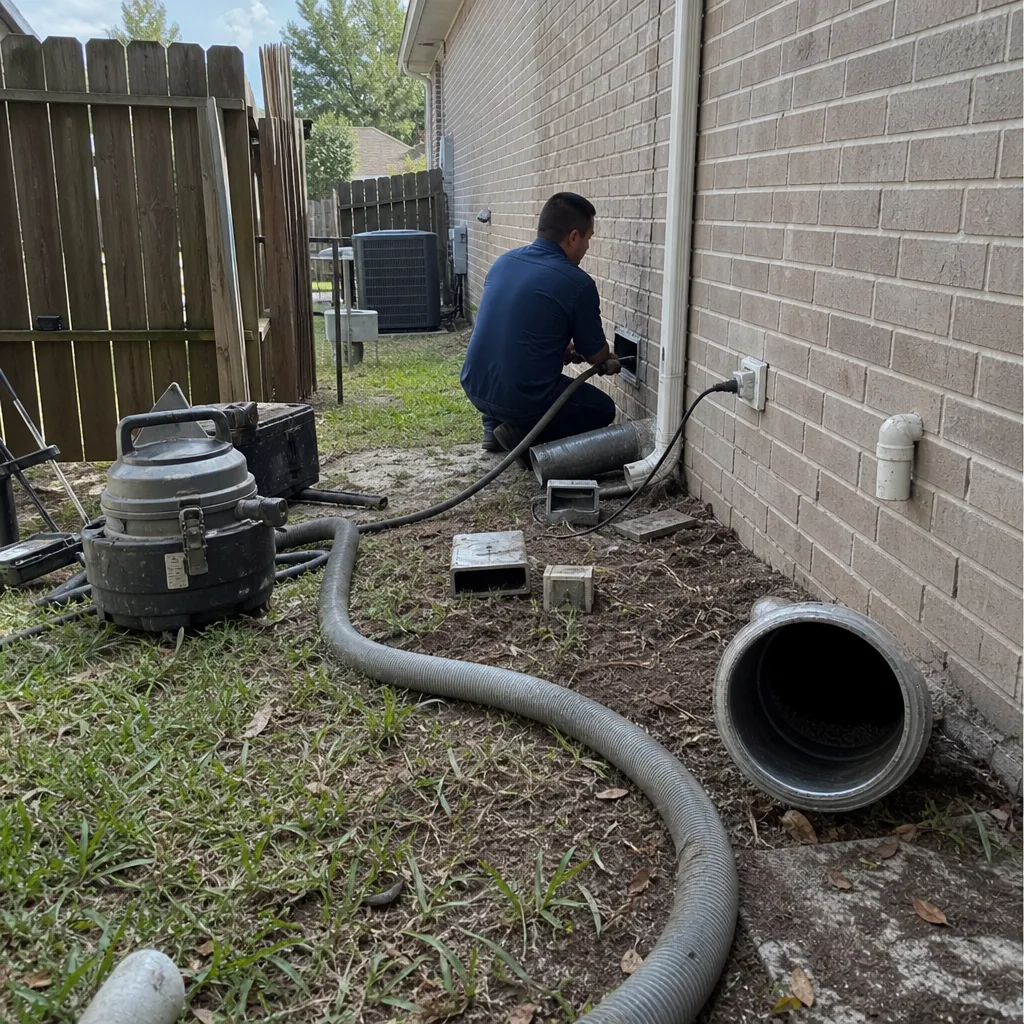
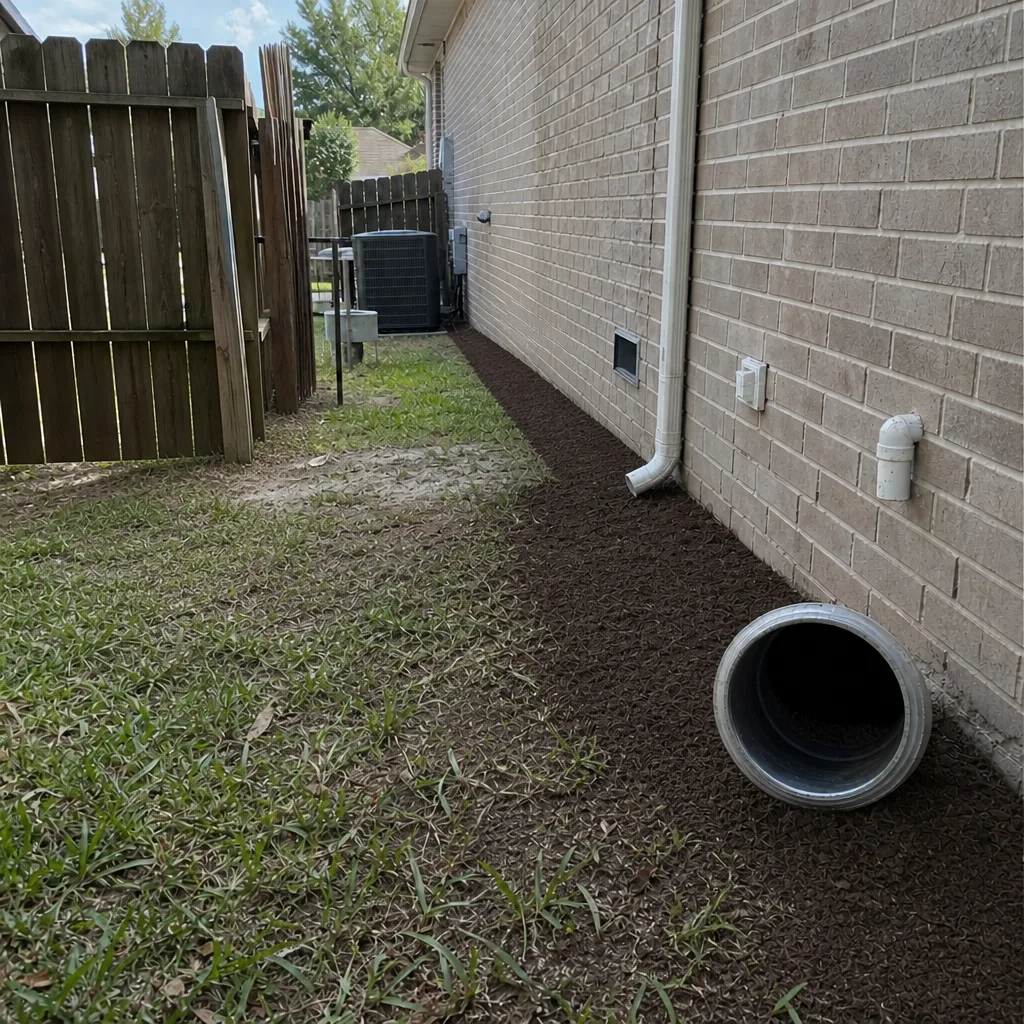
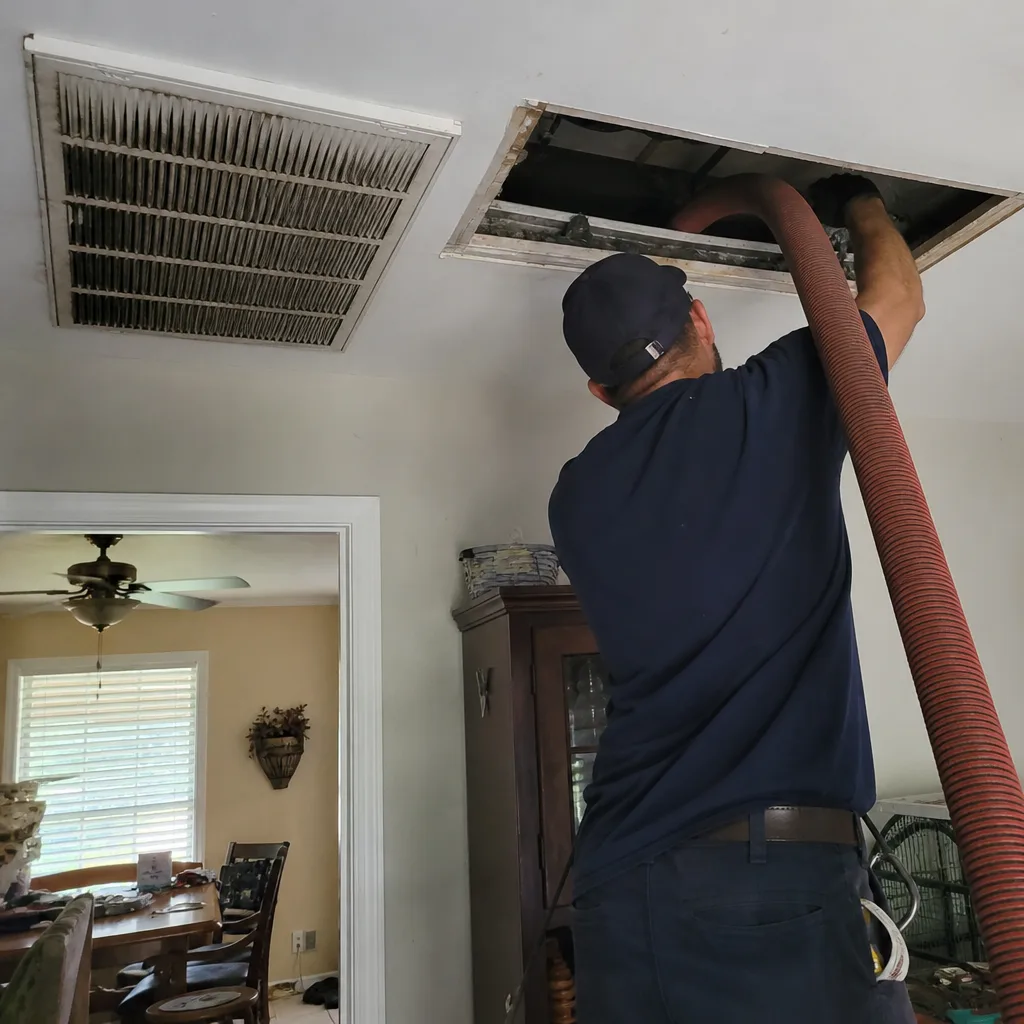
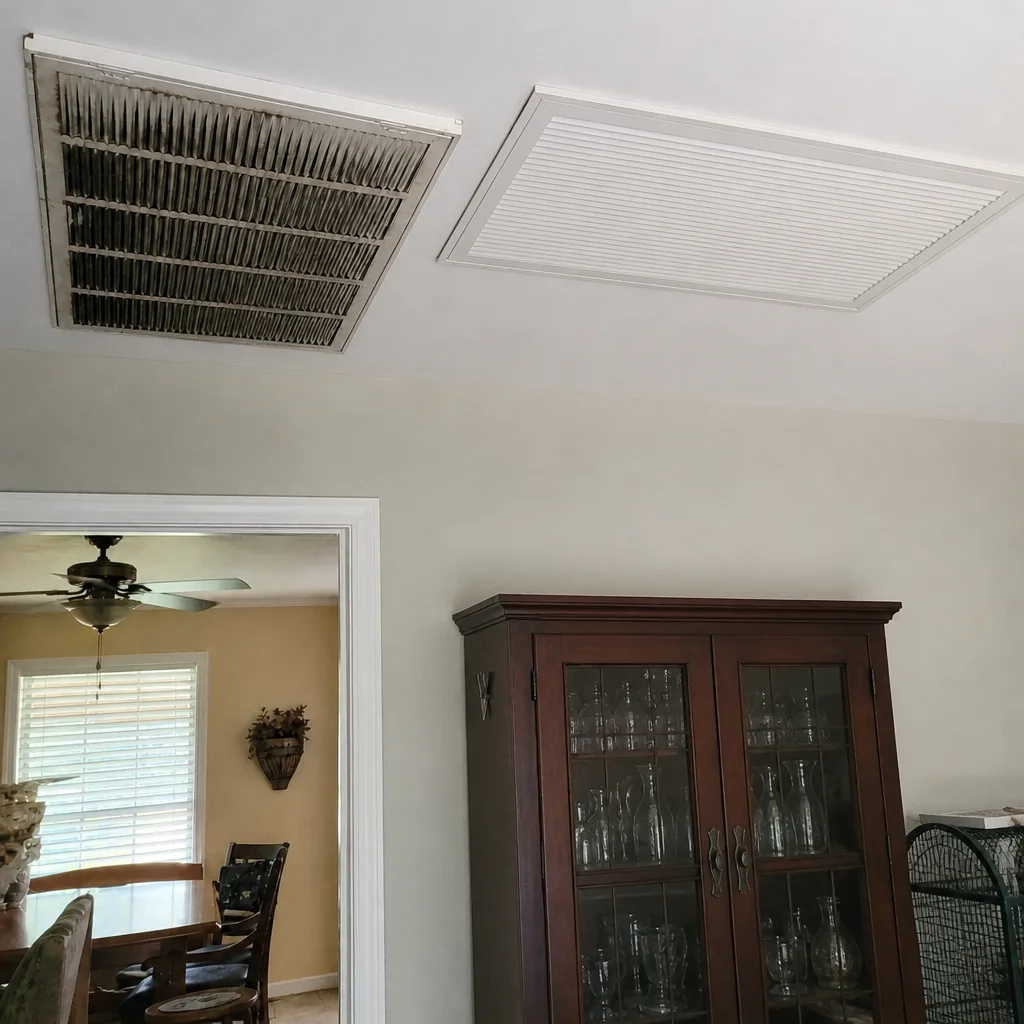
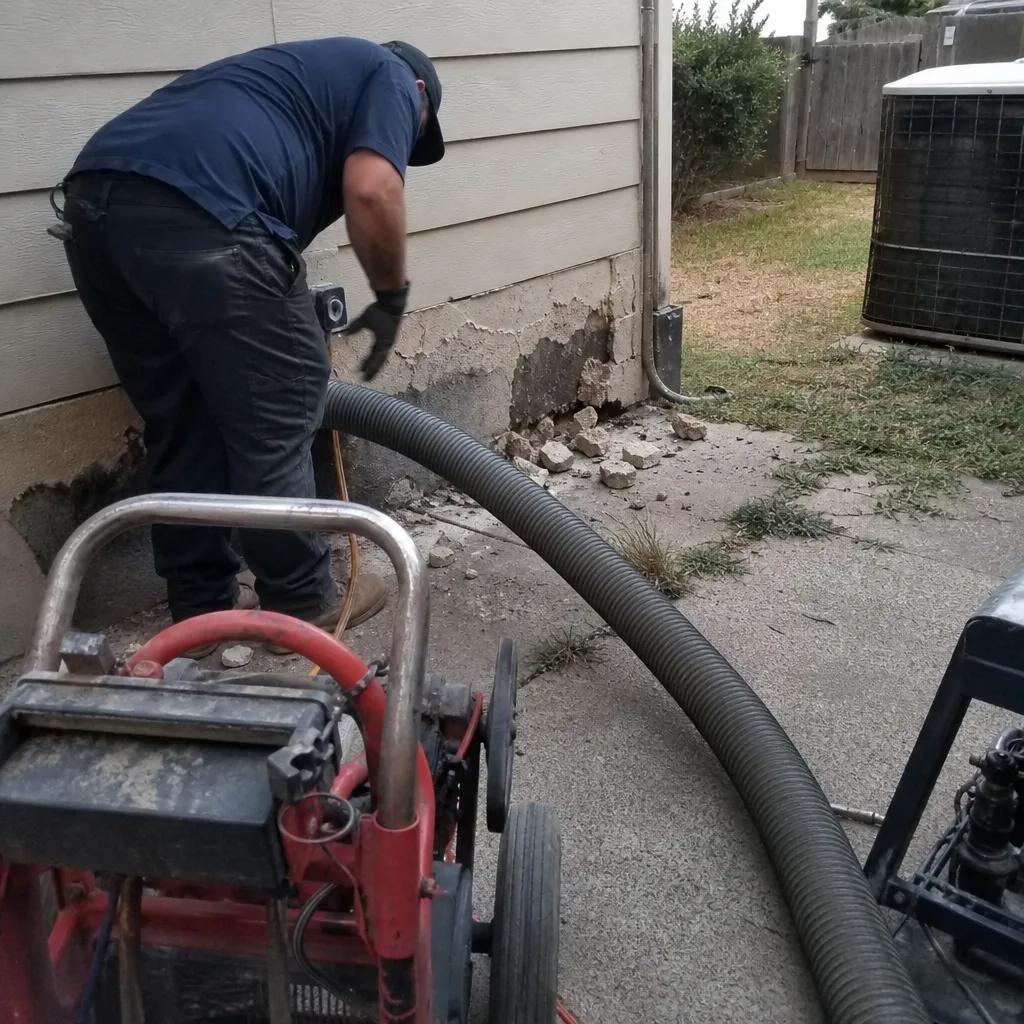
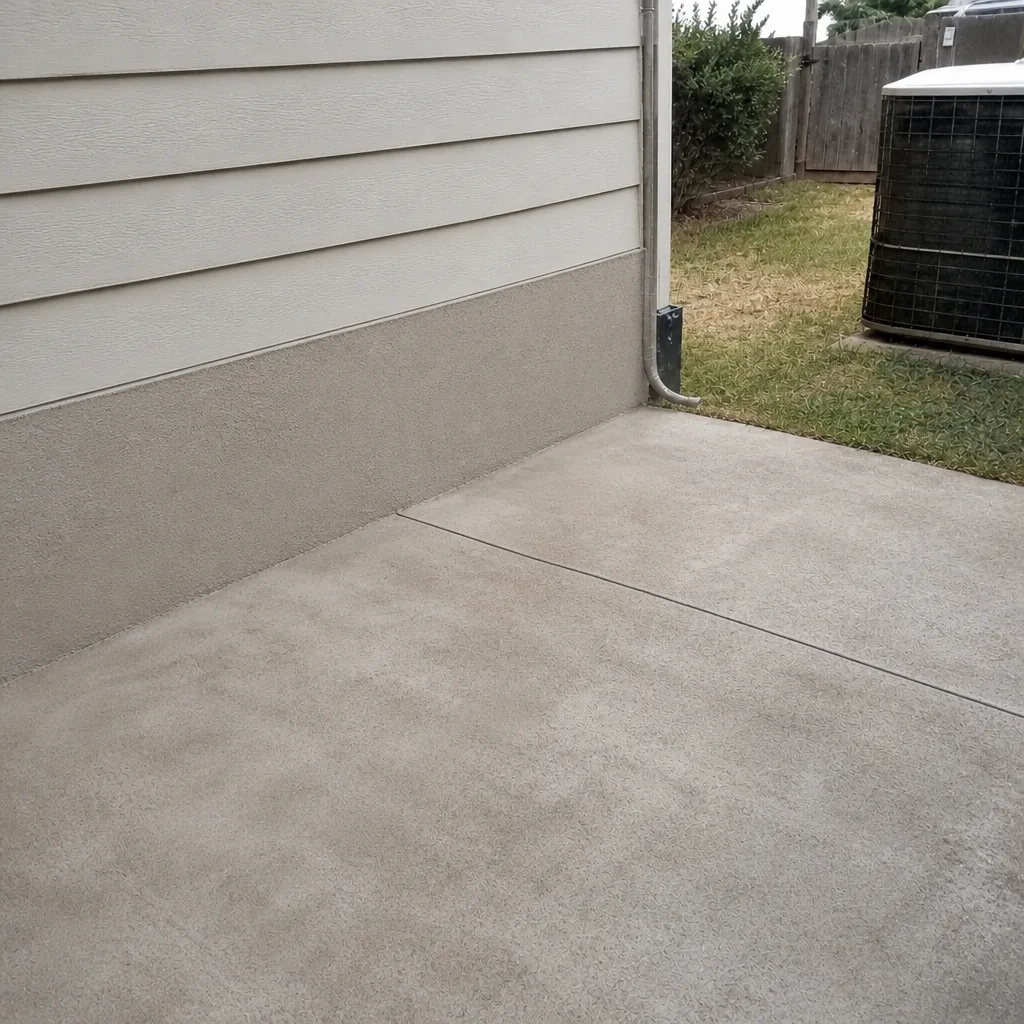
Whole-system duct and dryer vent check with before-and-after photos - you see exactly what came out of your vents
That "$99 whole-house special" is a bait ad - the real number appears once they are in your hallway, or the "clean" is a shop-vac at the register. We photograph the inside of your ducts before and after instead.
Seasonal Air Duct Cleaning Care for Clear Lake: Year-Round Homeowner’s Guide
Most seasonal HVAC advice is written for climates with cold winters and dry summers. That advice is nearly useless here. In Clear Lake, the air conditioner runs from March through October, humidity rarely drops below 60 percent, and the “heating season” can pass in a handful of cold snaps. If you’ve been following a spring-cleaning calendar built for Minnesota, you’ve been servicing your ducts at the wrong time of year. This guide lays out a Clear Lake-specific schedule instead: one built around a long cooling season, a short mild window, and a fall humidity pattern that makes late September through November the single most valuable stretch for ductwork care. You’ll learn what your ducts go through each season, how to phase cleaning, sealing, and inspection across years rather than all at once, and what to check after a hurricane. Some of it you can do yourself. Some of it you shouldn’t.
Quick Answer
In Clear Lake, the best time to have your air ducts cleaned and inspected is late September through November. That window comes after the peak humidity months and before the rare cold snaps that stress aging ductwork and every joint in your system. A full air duct cleaning every few years, combined with annual filter changes and register checks, covers most Clear Lake homes. Homes with pets, recent renovation dust, or allergy concerns in the household usually benefit from faster cycles.
Styles & brands we work with
- Whole-home duct cleaning
- Dryer vent cleaning
- Camera inspection
- Sanitizing & deodorizing
Table of Contents
- Why Clear Lake Doesn’t Have Four Equal Seasons
- Why Fall Is the Right Time for Duct Cleaning in Clear Lake
- What Summer Does Inside Your Ductwork
- Spring Tasks: Pollen Season and the First AC Start
- Hurricane Season: What to Check Beyond Visible Water
- The Multi-Year Schedule: Staggering Cleaning, Sealing, and Inspection
- The Mild Winter Window and What It Reveals
- Common Mistakes to Avoid
- When to Call a Professional
- Frequently Asked Questions
Why Clear Lake Doesn’t Have Four Equal Seasons
Look at how a year actually plays out in Clear Lake. The air conditioner typically kicks on in March and doesn’t get a real break until October. That’s roughly eight months of near-continuous runtime, far longer than a system in most of the country will run in a full year. When a system runs that hard, every minute of moving air deposits a thin film of dust on duct walls. Across eight months, that film adds up. The same is true of pollen, pet dander, and the fine debris that comes with any household renovation.
Then you have the small window from December through February. Winters here are mild. Cold snaps happen, but they’re short, and the furnace runs intermittently rather than constantly. This period is a useful diagnostic window and, for some homes, the right time to catch the very issues that a heating cycle can reveal.
The third piece of the puzzle is humidity. In most of the year, Clear Lake’s air stays muggy. It affects how debris behaves inside ductwork, how long any microbial growth can persist on a damp surface, and how crucial it is that return lines and plenum connections be sealed tight. All of which brings us to the counterintuitive point this guide keeps coming back to: fall, not spring, is when Clear Lake ductwork most deserves your attention.
Why Fall Is the Right Time for Duct Cleaning in Clear Lake
Most homeowners here trend toward a spring tune-up, following the marketing they see for every other climate. In Clear Lake, the smarter target is late September through November, and there are three solid reasons.
- You’ve had eight months of material accumulation. A fall inspection sees the full season of what your system collected, which tells you much more than a spring inspection that just sees last year’s residual dust.
- Humidity starts easing. Late fall is when the sticky air loosens its grip. That’s the moment when sanitizing products applied to duct surfaces are working against a less hostile environment, and when duct sealant has the best chance to cure correctly.
- You get ahead of the cold snaps. Air duct leakage affects both cooling and heating. Tightening the system in autumn reduces the air loss that adds up during a heating cycle, which can be worse than a cooling cycle because heat rises and finds every unsealed joint.
So an October appointment in Clear Lake gives you a cleaner system going into the mild months, better efficiency in both directions, and a written picture of what the ductwork actually looked like at the end of a long summer. That combination is hard to match in May.
If you’ve been putting off a proper look at your ducts, fall is the natural moment. Our air duct cleaning work is scheduled around this exact window for most Clear Lake homes.
What Summer Does Inside Your Ductwork
Your ducts don’t sit still while the AC runs for eight months. Several things happen inside them during the high-runtime months.
- Dust consolidates on the walls. A moving airstream doesn’t leave dust evenly scattered. It pushes fine particles into corners, joints, and the first few feet of runs, and it deposits a steadily thickening layer on the flat bottoms of horizontal ducts.
- Condensation happens. In summer, cool air sits inside ducts while warm, humid air presses against the outside. Wherever the insulation or seal is weak, moisture finds a surface. Moisture plus dust is a recipe for odors and, in the worst cases, growth.
- Static attaches debris to metal. Air moving through metal duct surfaces builds a light static charge that holds very fine dust against the walls regardless of airflow.
- Return air contamination concentrates. Return ducts draw from every room, including bathrooms, kitchens, and closets. Whatever’s in the return air ends up on the return duct surfaces, and it’s often the dirtiest segment the technician will find.
By the time summer winds down, your duct walls are holding the residue of the whole cooling season. That’s exactly why an inspection in the late-September-to-November window is more revealing than one earlier in the year: the system has told you its full story by then.
Spring Tasks: Pollen Season and the First AC Start
Spring doesn’t get the top spot in a Clear Lake calendar, but there are a few specific jobs worth doing before the cooling season begins. Oak and pine pollen in this region is heavy and fine, and the filter and the return register are the first things to see it.
- Change the filter before the first AC run. A filter that’s been sitting through a low-runtime winter has collected dust and possibly mild biological growth from standing inside a humid house. Swap it out before the system ramps back up.
- Walk the return registers. Look for visible dust lines, dust coming off the grille, and any discoloration of the grille face. If the grille is fuzzy or dark at the edges, the return line behind it needs a closer look.
- Check the supply registers in each room. Open them, see if you can spot a grey film on the inner edges, and note any that seem to blow weaker than the rest. Uneven airflow across rooms can mean a duct leak or a disconnected run.
- Look around the air handler. A filter that hasn’t been seated correctly, or one that’s been dislodged, can let a lot of particulate into the coil and the plenum. That’s a repair, not just a cleaning.
- Smell test. Run the fan for a few minutes on a mild afternoon and see if a musty or “dirty sock” odor comes out of the registers. That smell is a signal worth investigating.
Spring’s real job is diagnosis, not cleaning. You’re setting a baseline for what the summer does on top of it.
Hurricane Season: What to Check Beyond Visible Water
Clear Lake sits in a hurricane zone, and this is a part of the seasonal schedule most general guides skip entirely. Visible water intrusion is the obvious thing to look for after a storm. The less obvious problem is what happens to your ductwork when there’s no water at all.
Pressure differentials matter. A storm that strips attic insulation, shifts a section of flex duct, or loosens the seal around a boot at the ceiling plane creates a change in how your system moves air. You won’t see it from the register. You may only notice that one room no longer cools as well, or that the system runs longer than it used to.
Return air contamination is the harder issue. If any segment of the return line draws from an attic or a location that changed during the storm, it’s now potentially pulling air from outside the conditioned envelope. That means a return line that once delivered interior air may be bringing in whatever is now sitting in that attic. Return duct sealing and, in some cases, replacement of a run is what addresses that, not cleaning alone.
After a storm, in order:
- Check every visible section of flex duct in the attic for tears, kinks, or disconnection from a boot.
- Run the system briefly and check each register for airflow and odor.
- Look at the filter after a few hours of runtime; a big load of construction-type debris will show up there quickly.
- Check the drain pan and condensate line for standing water.
- If anything looks off, get a professional inspection before running the system for long. A damaged duct can pull attic air and insulation fibers straight into the airstream.
The Multi-Year Schedule: Staggering Cleaning, Sealing, and Inspection
A common mistake is doing everything at once. Duct cleaning, duct sealing, and HVAC cleaning all matter, but they don’t all need to happen in the same appointment. A staggered schedule keeps annual spending lower and lets you prioritize based on what each service actually reveals.
- Year one: A full air duct cleaning in the fall, plus a duct inspection. This is the baseline. You learn what shape your system is really in.
- Year two: Duct repair and sealing based on what year one revealed. In Clear Lake, sealing matters for both cooling efficiency and humidity control, so this is often the highest-value single service a homeowner can add.
- Year three: HVAC cleaning, which focuses on the air handler, coil, and blower. After two years in this climate, that equipment deserves a look even if the ducts are clean.
- Year four: Return to a routine air duct cleaning if the home has pets, allergies, or recent renovation.
Homes with pets, recent remodeling, or a resident with respiratory sensitivity compress the cycle. Homes that have been tight, well-maintained, and filter-disciplined can stretch it. Neither schedule is universal. A real inspection in the fall tells you which one fits your house.
If a duct inspection turns up disconnected runs, torn flex sections, or boots leaking at the ceiling plane, we can address it in the same relationship through our duct repair and sealing work. Professional-grade sealing products, including Guardsman and Abatement Technologies lines, hold up to the humidity pattern here in a way that consumer caulk and foil tape don’t.
The Mild Winter Window and What It Reveals
Clear Lake winters are short and mild, which makes December through February a useful diagnostic period, not a heavy-service period. Two things a heating cycle reveals that a cooling cycle doesn’t:
- Leaks that push warm air out. Warm air is eager and finds every unsealed joint in a way that cool air often doesn’t. Rooms that feel drafty, or that heat unevenly while the rest of the house is comfortable, are telling you a duct is leaking. That’s a repair issue, not a cleaning one.
- Cold spots that reveal disconnected runs. A run that’s come loose from a boot during the summer may only become obvious when the climate control reverses and that room still won’t heat.
Winter is also the right time to check your filter condition specifically for fine debris, not just visible dust. And it’s an easy time to add whole-home humidity balance if you’re running a system like a Honeywell or Aprilaire air treatment unit. Humidity control matters in Clear Lake, since the shoulder seasons can swing from muggy to dry within days.
Common Mistakes to Avoid
- Assuming spring is the best time to clean ducts. Spring cleaning calendars were written for cold-winter climates. In Clear Lake, the end of the long cooling season tells you far more about your ducts than the start of it.
- Cleaning without inspecting first. A cleaning without a look at joint condition, disconnections, and return line seals leaves the actual problems in place. Clean and seal are two steps, not one.
- Ignoring return lines. Homeowners focus on supply registers because they’re what they can see and feel. Return lines carry the dirtiest air in the system. If you’re only looking at supply grilles, you’re not seeing the problem.
- Skipping a post-storm check. A quick look at your attic ductwork after any significant storm costs nothing. Skipping it means a damaged run can blow insulation fibers into your air for months before you notice.
- Buying a cheap quote without asking what’s included. A price that doesn’t include an inspection, sanitizing, or sealing can look low but actually do less. Ask what the visit includes and what it doesn’t.
- Trusting consumer-grade equipment to do a commercial job. Shop-vac-grade vacuums and off-the-shelf foggers don’t move enough air or deposit enough product to matter on a full duct system. The equipment matters.
- Fogging instead of cleaning. Sanitizing a duct full of debris doesn’t clean the debris. Cleaning first, then sanitizing, is the sequence that actually changes the air.
When to Call a Professional
Some of the seasonal checks in this guide are homeowner work: changing filters, walking registers, and doing a visual post-storm inspection of the accessible attic ductwork. Others need equipment and training.
Call a professional if any of these apply in your Clear Lake home:
- You can see a visible dust film inside the ductwork at a return register.
- There’s a musty or persistent odor coming from more than one register.
- One or more rooms are consistently underperforming on cooling or heating.
- You’ve had a renovation, bought a house with unknown service history, or brought a new pet into a home that hasn’t been duct-serviced.
- There was visible storm damage near any attic ductwork.
- A filter clogs far faster than it should, which points to a return-side problem.
Clear Lake Air Duct Cleaning offers free estimates in Clear Lake. Call (833) 513-8670. We answer 24/7. Fast dispatch from 7am to 7pm, Sunday through Friday. Our technicians have up to 10 years of experience, and we bring professional-grade Rotobrush and Nikro systems to every job, the same equipment HVAC trade contractors rely on. The estimate is free and the price is set per job by the written estimate, so you know what you’re getting before any work begins.
If your dryer feels like it’s taking longer than it should, that’s another kind of system worth looking at on the same schedule. dryer vent cleaning is a good pairing with a fall service visit.
Frequently Asked Questions
Air duct cleaning in Clear Lake is priced per system, and the price is set by a written estimate after an on-site, so we can quote honestly based on the number of runs, the condition of the system, and whether sanitizing or sealing is needed. Call (833) 513-8670 for an exact quote; estimates are free. We don’t quote per vent, because per-vent pricing tends to change once the technician is on site.
Cheap quotes usually leave out the steps that make a difference. A $79 or $99 special may cover only the supply trunks, skip the return lines, or use consumer-grade equipment that doesn’t move enough air to actually clean a full system. Ask what the quote includes: returns, boots, plenum, sanitizing, and inspection. That tells you whether the number is comparable. Call (833) 513-8670 for an honest whole-system estimate.
Before-and-after photos of your own ductwork are the best proof. Ask for them. Any duct cleaner who can’t show you what your ducts looked like before and after is a service you should be skeptical of. Call (833) 513-8670 and we’ll walk through what a visit covers and how the work is documented.
For most Clear Lake homes, every three to five years is reasonable. Homes with pets, recent renovation dust, or a resident with allergies often benefit from every two years. An inspection in late fall tells you where your house falls on that range, and it’s cheaper than guessing. Call (833) 513-8670 for a free estimate.
In Clear Lake, yes. The cooling season runs roughly March through October, so a fall appointment sees the full season’s accumulation, which is a much better test of what your ducts really hold. Fall also arrives just before the cold snaps that can reveal leaks and disconnected runs. Call (833) 513-8670 to get on the schedule.
Check every visible attic duct section for tears, disconnection, and shifts after any significant storm. Then run the system briefly and check each register for airflow, odor, and unusual heaviness in the filter. If anything seems off, call a pro before running the system for extended periods. Call (833) 513-8670 and we’ll walk through what a post-storm inspection covers.
The Bottom Line
Clear Lake doesn’t run on four equal seasons, and your ductwork care shouldn’t either. The summer cooling season puts eight months of accumulation into your system. Fall, from late September through November, is when that accumulation is most visible and when duct sealing and sanitizing do the most good. Spring is for filter changes and register walks, not for the big cleaning. Winter reveals leaks. Hurricane season adds its own checks. And you don’t have to do all of it in one year. A staggered plan spread over several years keeps the annual cost sane and lets each service build on what the one before it found. Fall is the anchor. Everything else fits around it.
Clear Lake Air Duct Cleaning works on the whole system, not just the parts you can see. Duct cleaning, duct repair and sealing with Guardsman and Abatement Technologies products, and service alongside Honeywell and Aprilaire whole-home systems are all part of what we do. Call (833) 513-8670 for a free estimate. We answer 24/7. Fast dispatch from 7am to 7pm, Sunday through Friday. One flat price per system agreed before work starts, and before-and-after photos of your own ducts when the job is done.
Written by the team at Clear Lake Air Duct Cleaning.
See the difference
 Before
 After
 Before
 After
 Before
 After