
Last updated November 25, 2026
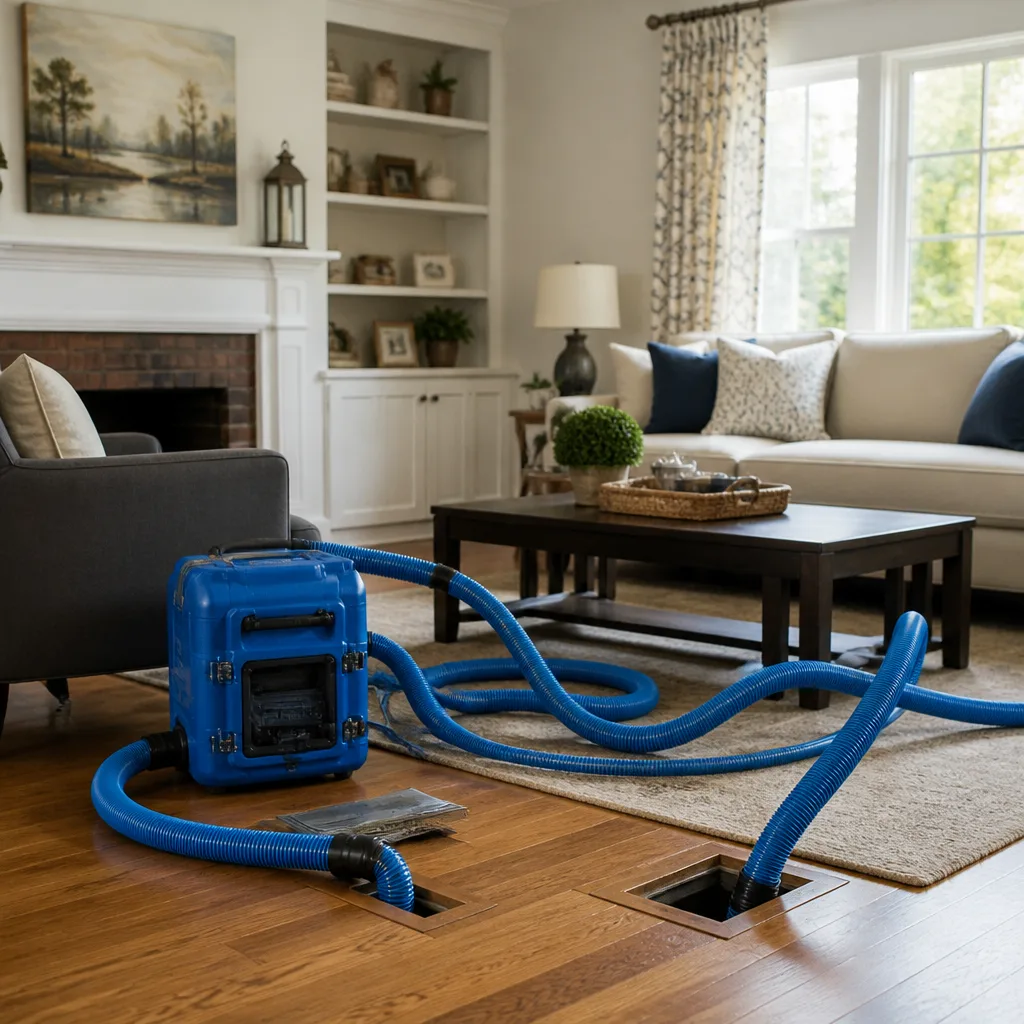 Whole-home duct cleaning
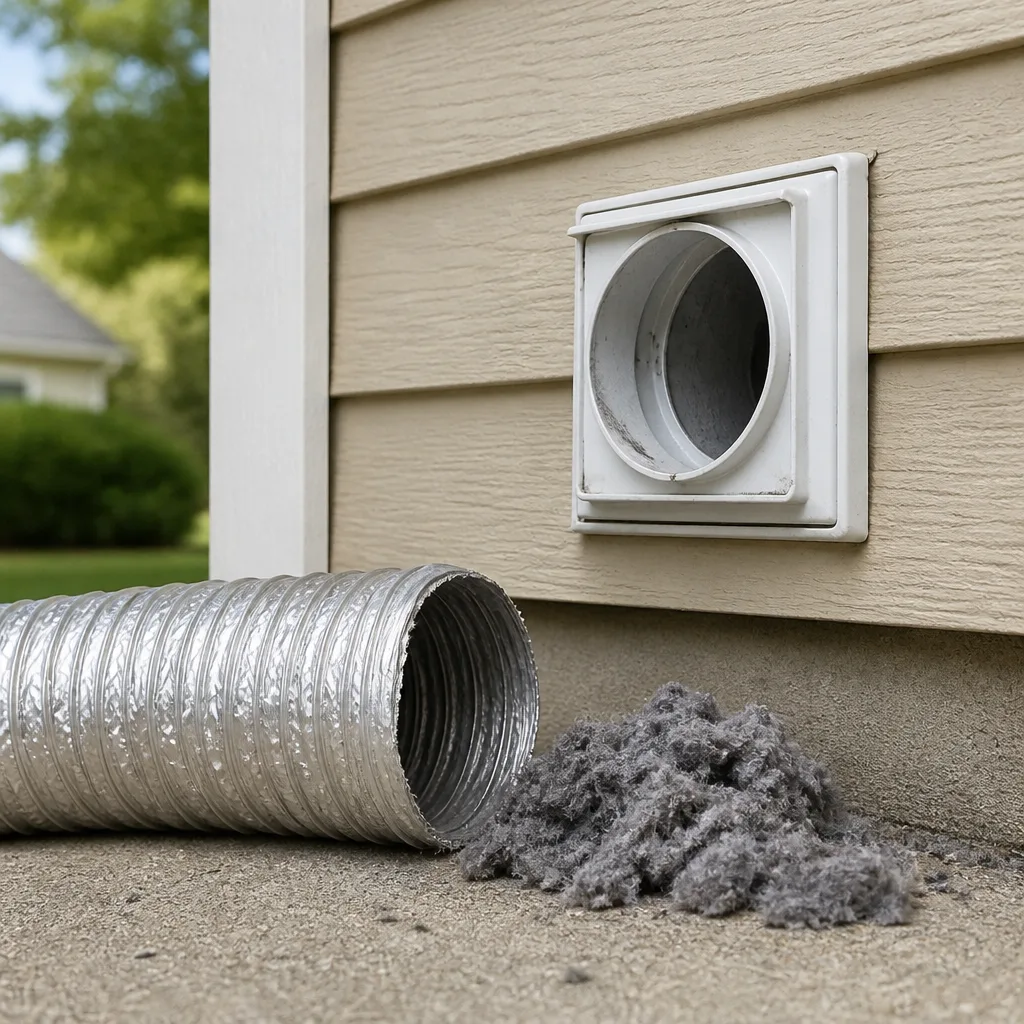 Dryer vent cleaning
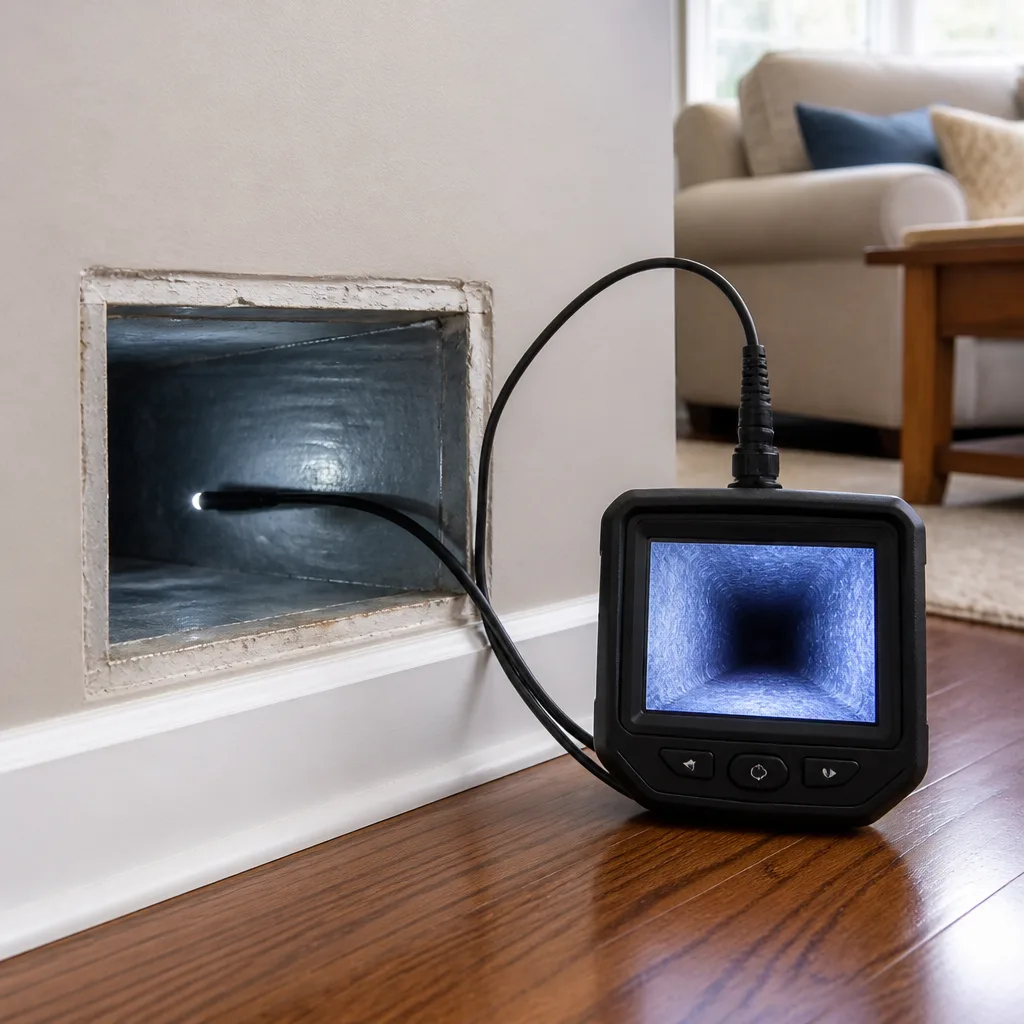 Camera inspection
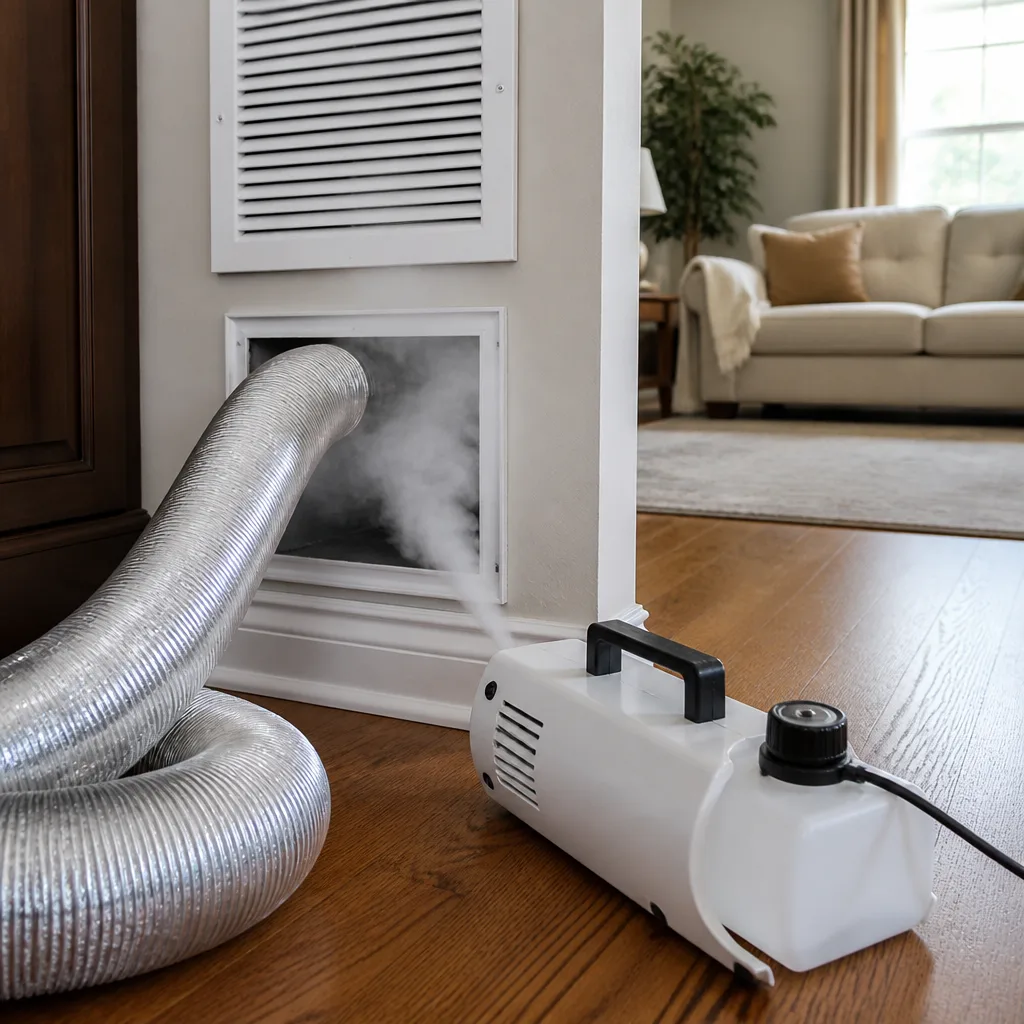 Sanitizing & deodorizing
Whole-system duct and dryer vent check with before-and-after photos - you see exactly what came out of your vents
That "$99 whole-house special" is a bait ad - the real number appears once they are in your hallway, or the "clean" is a shop-vac at the register. We photograph the inside of your ducts before and after instead.
The Complete Guide to Air Duct Cleaning in Clear Lake
Most air duct advice you’ll read online assumes a house that runs its heating and cooling a few months a year and sits in dry, still air. Clear Lake doesn’t work that way. Homes here lean on the air conditioner through long, humid stretches that push annual system runtime far above the national average, which means dust, pollen, and moisture don’t collect on the same schedule the standard “every three to five years” rule assumes. A home near the water can build up the kind of buildup an inland Texas house takes years longer to reach. This guide explains what that means for your ducts, what a real professional cleaning involves, and how to tell when cleaning alone won’t solve the problem. By the end you’ll know how to judge a quote and what to ask before anyone touches your system in Clear Lake.
Quick Answer
Air duct cleaning in Clear Lake should be scheduled based on how hard your system runs and how humid your home stays, not a fixed calendar. Because Gulf Coast homes here run the AC most of the year, contamination builds faster than the generic three-to-five-year guidance suggests, and a full professional cleaning – negative pressure, mechanical agitation, and HEPA filtration – is the only method that actually removes it. If you see biofilm or suspect mold, or your ducts are leaking and pulling in attic air, cleaning has to be paired with sanitizing or sealing rather than done alone.
Styles & brands we work with
- Whole-home duct cleaning
- Dryer vent cleaning
- Camera inspection
- Sanitizing & deodorizing
Table of Contents
- Why Clear Lake Homes Need a Different Duct Schedule
- What a Real Professional Cleaning Actually Involves
- Dust Buildup vs. Biofilm: Knowing the Difference
- How Dirty Ducts Cost You HVAC Efficiency
- When Cleaning Isn’t Enough: Repair and Sealing
- How to Choose a Duct Cleaner in Clear Lake
- What You Can Check Yourself (and What You Shouldn’t)
- What Air Duct Cleaning Costs in Clear Lake
Why Clear Lake Homes Need a Different Duct Schedule
Clear Lake sits close enough to Galveston Bay that the air stays heavy with moisture most of the year. That single fact changes how ductwork behaves. When your air conditioner runs constantly, it pulls in outdoor humidity and cycles a lot of air through the same passageways day after day. Dust, pollen, and skin cells ride along with it. The more hours the system runs, the more material gets deposited on duct walls, and the faster that material can absorb moisture and turn into something worse than dust.
An inland Texas home that runs its HVAC system a fraction of the year gives its ducts long idle stretches where things dry out. A Clear Lake home rarely gets that break. The combination of high runtime and steady ambient humidity means the interior of your ductwork stays closer to the dew point, which is exactly the condition that lets dust caked on a duct wall support mold and bacterial growth. That’s why we tell homeowners in Clear Lake to think in terms of runtime and humidity rather than a tidy number of years.
A few local factors speed this up further:
- Storm season. Wind-driven rain and debris push fine particles into attics and around exterior intakes, and some of that finds its way into the return side of the system.
- Older housing stock. Many Clear Lake neighborhoods have homes old enough that original ductwork has flexed, sagged, or developed small gaps over the years.
- Renovation dust. Drywall dust and sawdust from even a modest remodel travel straight into returns unless they’re sealed off during the work.
- Year-round allergens. Pollen and mold spores stay in the air longer here, and a running system keeps pulling them indoors.
None of that means every Clear Lake home needs cleaning this month. It does mean the honest answer to “how often” depends on your specific house, and a cleaner who gives you a fixed number without looking at your system isn’t giving you a real answer.
What a Real Professional Cleaning Actually Involves
A genuine duct cleaning removes the contamination that’s stuck to the inside of your ductwork; it doesn’t just stir the surface. The difference between a real job and a “blow-and-go” visit comes down to three mechanical elements working together, and a crew that skips any one of them leaves most of the problem behind.
Here’s what the process should look like, step by step:
- Inspection and setup. The technician maps your duct runs, locates returns and supplies, and sets up access points. This is where a good crew checks for disconnected sections, crushed flex duct, and gaps that will matter later.
- Negative pressure. A high-powered vacuum connects to the main trunk line and pulls the entire system under negative pressure. This keeps loosened debris moving toward the collection unit instead of drifting into your living space.
- Mechanical agitation. The technician works through each branch with rotating brushes and air whips to break contamination off the duct walls. Vacuum alone won’t lift material that’s bonded to the surface; it has to be agitated first.
- HEPA filtration. The collected air passes through HEPA filtration, so fine particles are trapped rather than exhausted back into the house.
- Sanitizing where needed. If inspection turns up microbial growth, a professional-grade sanitizing product is applied. We use Abatement Technologies products, a line trusted in remediation work rather than retail-grade fogging solutions.
- Final verification. Before-and-after photos of the duct interiors give you proof of what changed. Ask for them.
The equipment matters as much as the steps. We run Rotobrush and Nikro professional systems – purpose-built duct-cleaning machines used across the HVAC trade – rather than the shop-vac-and-a-brush setup some generalists bring. A truck-mounted-grade system maintains the sustained suction and filtration these steps depend on. For a closer look at the service itself, see our page on air duct cleaning.
Dust Buildup vs. Biofilm: Knowing the Difference
Not all contamination is the same, and it doesn’t all respond to the same treatment. Ordinary dust is dry, loose, and gray. Biofilm is a living layer of microorganisms clinging to a wet surface, and in a humid Clear Lake home it’s the more serious of the two. Cleaning schedule and treatment both depend on which one you’re dealing with.
Dust and particulate buildup is what accumulates in most ducts: a dry film of skin cells, pet dander, pollen, and fibers. It reduces airflow over time and aggravates allergies, but standard mechanical cleaning removes it completely.
Biofilm and mold colonization develop where moisture persists. You’ll often notice it by smell first – a musty, earthy odor when the system kicks on – or by visible dark spotting on registers and grilles. Biofilm bonds tightly to duct surfaces and can’t be brushed away like dust; it needs professional sanitizing after the mechanical cleaning, and it usually signals a moisture source that has to be found and fixed. If airflow is carrying attic humidity into the ducts through leaks, cleaning without sealing the leaks just invites the growth back.
Two quick ways to tell which you’re facing:
- Look at a supply register. A light gray even film reads as dust. Dark blotches, fuzzy patches, or staining around the edges suggest moisture and biological growth.
- Notice the smell. A musty odor on startup, especially after the system’s been off, leans toward biofilm. Dust alone rarely produces a strong smell.
When growth is confirmed, the treatment protocol changes: clean first to remove the material, sanitize second to treat the surfaces, and address the moisture source third so it doesn’t return. That’s why Clear Lake’s humidity makes inspection and diagnosis as important as the cleaning itself.
How Dirty Ducts Cost You HVAC Efficiency
Your air handler moves a fixed volume of air. Every restriction in the path – dust coating the duct walls, a partially blocked return, or a leaky joint pulling in attic air – makes it work harder to deliver the same comfort. In a climate where the system runs most of the year, that extra effort adds up across thousands of operating hours.
Duct contamination affects efficiency in a few specific ways:
- Reduced airflow. A film of dust on duct walls slightly narrows the passage and roughens the surface, adding resistance the blower has to overcome.
- Dirty coils. Contaminants that get past the filter coat the evaporator coil, which is the component that actually removes heat and moisture from your air. A coated coil transfers heat poorly and the system runs longer to hit the thermostat setpoint.
- Leaky ducts. Gaps and disconnects let conditioned air escape into the attic and pull hot, humid attic air back in. The system then conditions air it never should have been handling.
- Overworked blower. Fighting restriction and leaks shortens the life of the blower motor and drives up electricity use.
Part of a full indoor-air-quality service is cleaning the HVAC components themselves, not just the ducts. Our HVAC cleaning work addresses the coil, blower, and cabinet so the whole system breathes freely. When we service the broader air-quality picture, Honeywell and Aprilaire whole-home systems are part of the conversation, since filtration and humidity control belong to the same ecosystem as the ducts that carry the air.
When Cleaning Isn’t Enough: Repair and Sealing
This is the part most duct cleaners skip, and in Clear Lake it’s often the difference between a job that lasts and one that comes back. Cleaning restores a duct system that’s structurally sound. If your ducts are leaking, disconnected, crushed, or sagging, cleaning only resets them to “clean but leaky” – and leaky ducts in a humid climate pull in exactly the moisture and particulates you just paid to remove.
Repair and sealing belong in the same visit as cleaning when inspection turns up these problems:
- Disconnected sections. Flex duct that’s pulled apart at a collar or joint dumps conditioned air into the attic and draws unconditioned air back into the system.
- Crushed or kinked runs. A collapsed section chokes airflow to the rooms downstream.
- Gaps at joints and seams. Even small gaps leak meaningfully over thousands of runtime hours and let humid attic air infiltrate.
- Sagging or uninsulated runs. Ducts that have lost their support or insulation sweat and lose efficiency in humid conditions.
Because we handle repair and sealing as part of our scope, we can clean, sanitize, and seal in one relationship rather than handing you off to a separate contractor after the cleaning’s done. That’s the “we fix it, not just clean it” difference, and it matters most in a climate where a leaky duct is a moisture problem waiting to grow.
How to Choose a Duct Cleaner in Clear Lake
The lowest bid is usually the worst measure of a duct cleaner, especially here. A crew that arrives with a coupon price and a shop vac, skips negative pressure and agitation, and pushes an upsell once they’re inside is a different business from one that inspects, cleans mechanically, and shows you proof. You’re paying for equipment and method, so judge the quote on those.
Ask these questions before you book anyone in Clear Lake:
- What equipment do you run? Look for a professional duct-cleaning system like Rotobrush or Nikro, not a shop vac or a portable with a brush attachment.
- Do you use negative pressure and HEPA filtration? Both should be part of the answer, not an optional add-on.
- Will you show before-and-after photos? A crew confident in its work documents it.
- Do you inspect for leaks and disconnected ducts? If they don’t look, they can’t tell you what sealing needs follow.
- Are you licensed and insured as the state requires? Ask for it in writing.
- Will you sanitize if there’s growth? If they find mold, what happens next matters more than the cleaning itself.
- Is the price flat per system, or per vent? A flat price agreed before work starts avoids the bait-and-switch you’re right to worry about.
The same standard applies to the rest of your system. When you’re evaluating dryer vent cleaning, for example, ask the same equipment and proof questions – the method is the product.
What You Can Check Yourself (and What You Shouldn’t)
You can learn a lot about your duct system without touching it, and we encourage Clear Lake homeowners to do the checks that are safe. Then there are the tasks that belong to a trained technician, and trying them yourself can go wrong quickly.
Safe checks you can do:
- Look at the supply registers around the house for even dust film versus dark spotting or staining.
- Notice smells when the system first comes on – a musty odor is worth flagging.
- Change your filter on schedule and note how quickly it loads up; fast loading hints at a bigger contamination source.
- Watch the air handler during a cycle to see if you can hear or feel air leaking around the cabinet or duct collars.
- Note rooms that feel weak on airflow or never quite reach temperature.
Leave these to a professional:
- Opening up the duct system to reach the interior runs – this can damage flex duct and create new leaks.
- Working around the air handler’s electrical components, blower, and coil.
- Applying any sanitizing product inside ductwork, which requires the right product and the right ventilation and containment.
- Diagnosing microbial growth, since confirming the source and the right protocol takes experience.
- Sealing duct leaks, which needs the correct materials and access to do it properly.
The filter is genuinely the homeowner’s job, and replacing it on a good schedule is the simplest thing you can do for your system. Everything past that is where professional-grade equipment and trained hands earn their keep.
What Air Duct Cleaning Costs in Clear Lake
Air duct cleaning in Clear Lake is priced per job, not per vent, because the work is defined by the whole system. A flat price agreed before work starts is what protects you from the low-coupon-then-upsell pattern this trade is known for. The written estimate sets the final price.
Here’s how professional pricing typically breaks down for Clear Lake homes:
| Service | Typical cost (estimate) |
|---|---|
| Full-system air duct cleaning (residential) | Flat price per system, quoted in writing |
| Air quality & sanitizing (when growth is found) | Added to the cleaning quote, priced per job |
| Duct repair & sealing (where leaks or disconnects exist) | Priced per job after inspection |
| Dryer vent cleaning | Flat price per vent run, quoted in writing |
Two quotes that differ wildly usually differ in method, not in the ducts. One job includes negative pressure, mechanical agitation, HEPA filtration, and inspection for leaks. The other cleans what’s visible and leaves the contamination bonded to the wall. When you compare bids in Clear Lake, compare the method behind the number, and make sure the number is flat per system rather than per-vent. Estimates are free, so there’s no reason to accept a quote you don’t understand.
Common Mistakes to Avoid
- Using the generic “every three to five years” rule as gospel. That schedule was written for homes running their HVAC part of the year. A Clear Lake home running the AC nine months out of twelve should base the timing on runtime and humidity, not a calendar.
- Hiring on price alone. A quote that’s far below the rest almost always reflects equipment and method that are far below the job. Ask what machine they run before you compare numbers.
- Skipping the inspection for leaks. Cleaning a leaky system resets it to “clean but leaky,” and in Clear Lake’s humidity that pulled-in moisture starts the problem over. Insist on an inspection and, if needed, sealing.
- Assuming the smell is the ducts when it might be moisture. A musty odor points to biofilm and usually a moisture source. Cleaning without finding that source lets growth return.
- Not asking for before-and-after photos. Photos of your own ducts are the one form of proof you can actually verify. Skip crews who won’t provide them.
- Forgetting the rest of the air system. Dirty ducts sit alongside a dirty coil, a loaded blower, and often a neglected filter. The full system matters more than any one part.
- Ignoring the dryer vent. It’s part of your home’s air and safety picture and a real fire risk when lint piles up. Treat it like the ducts: scheduled, inspected, cleaned properly.
See the difference
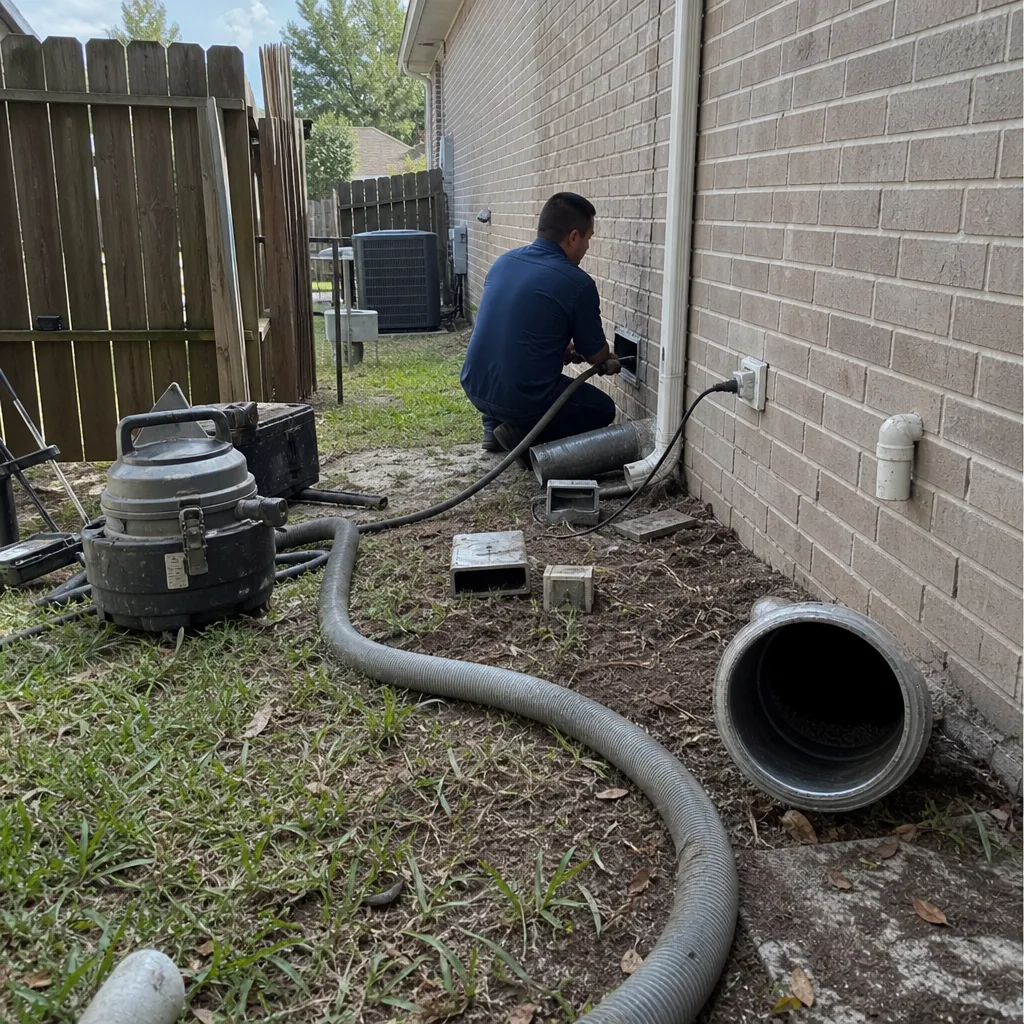 Before
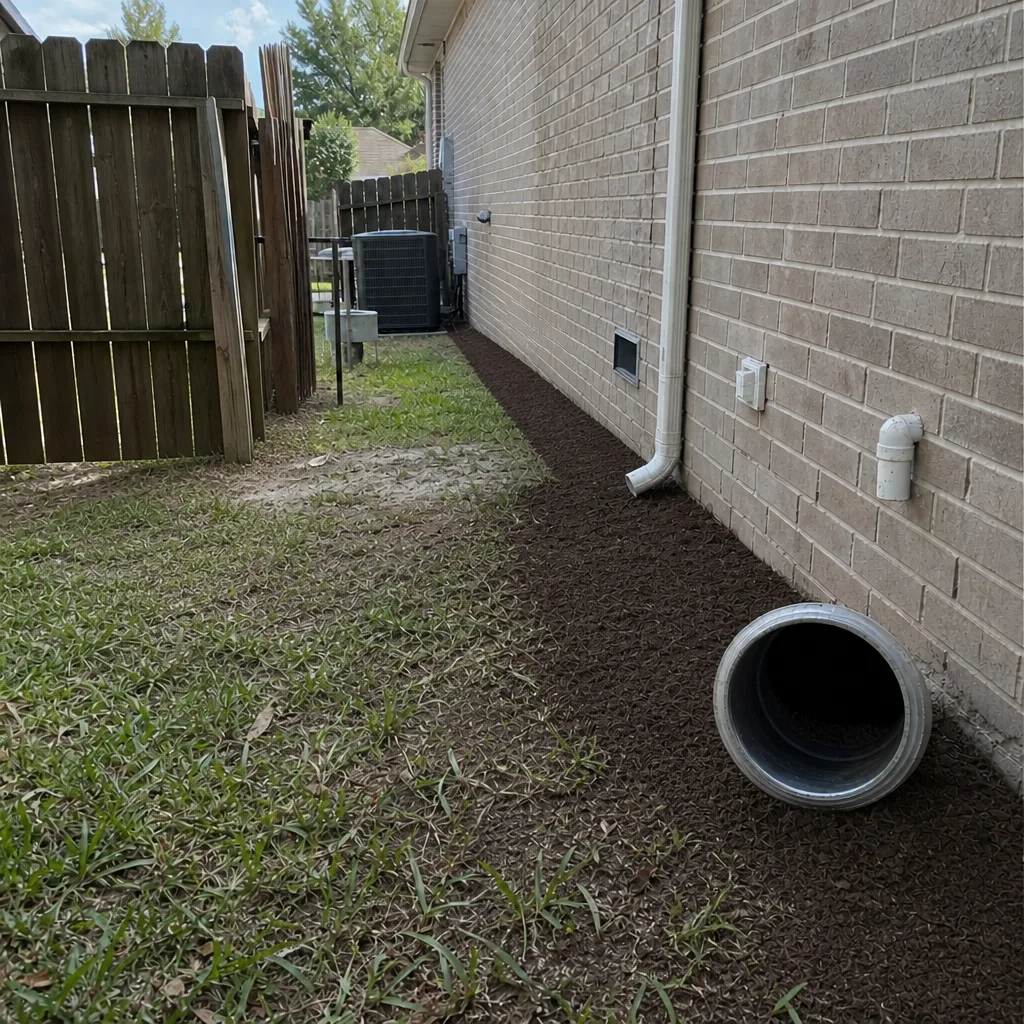 After
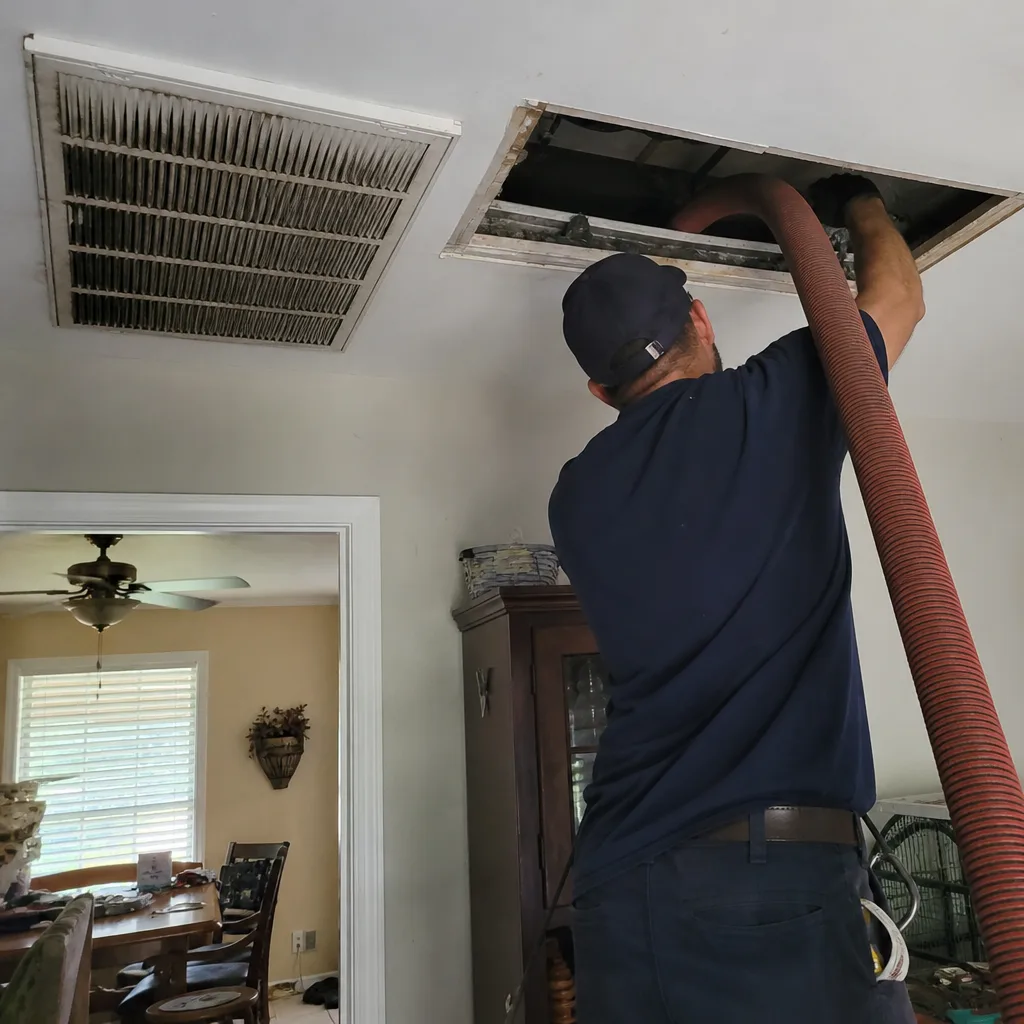 Before
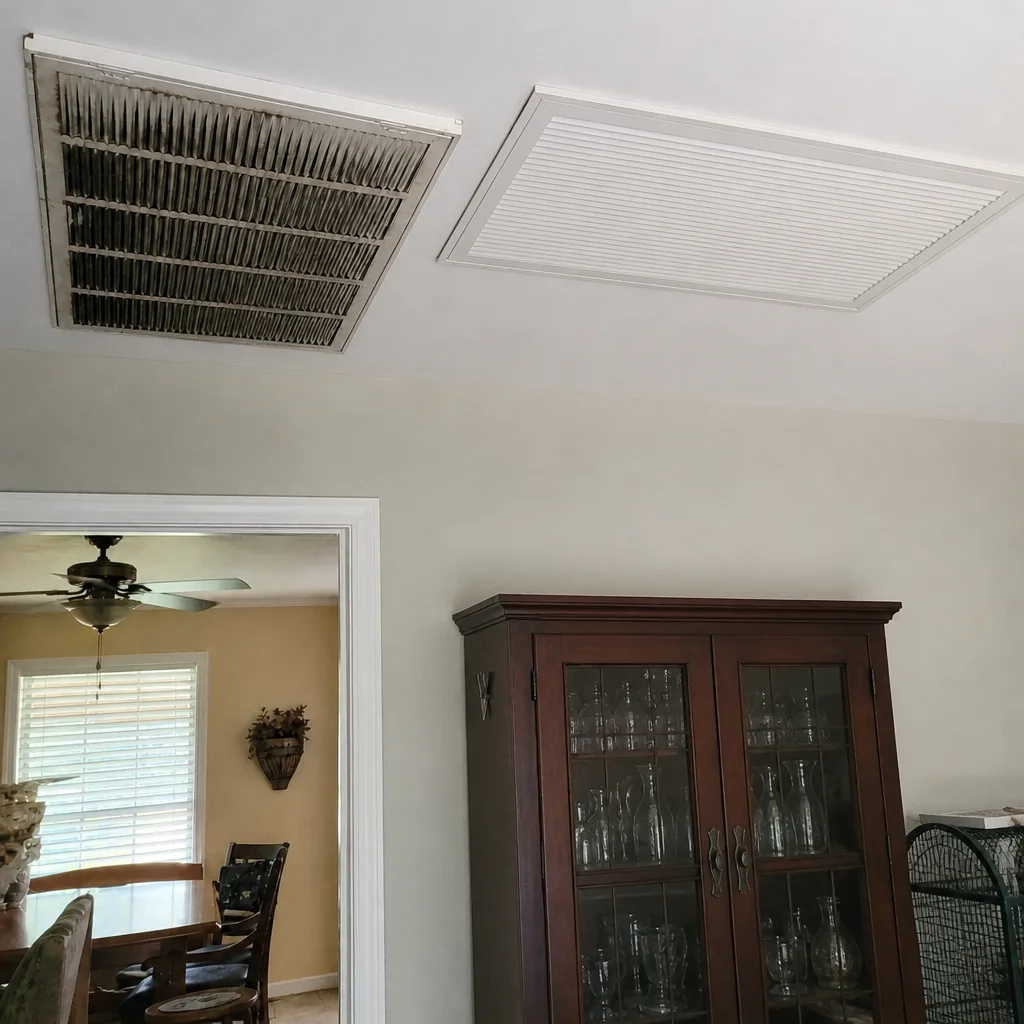 After
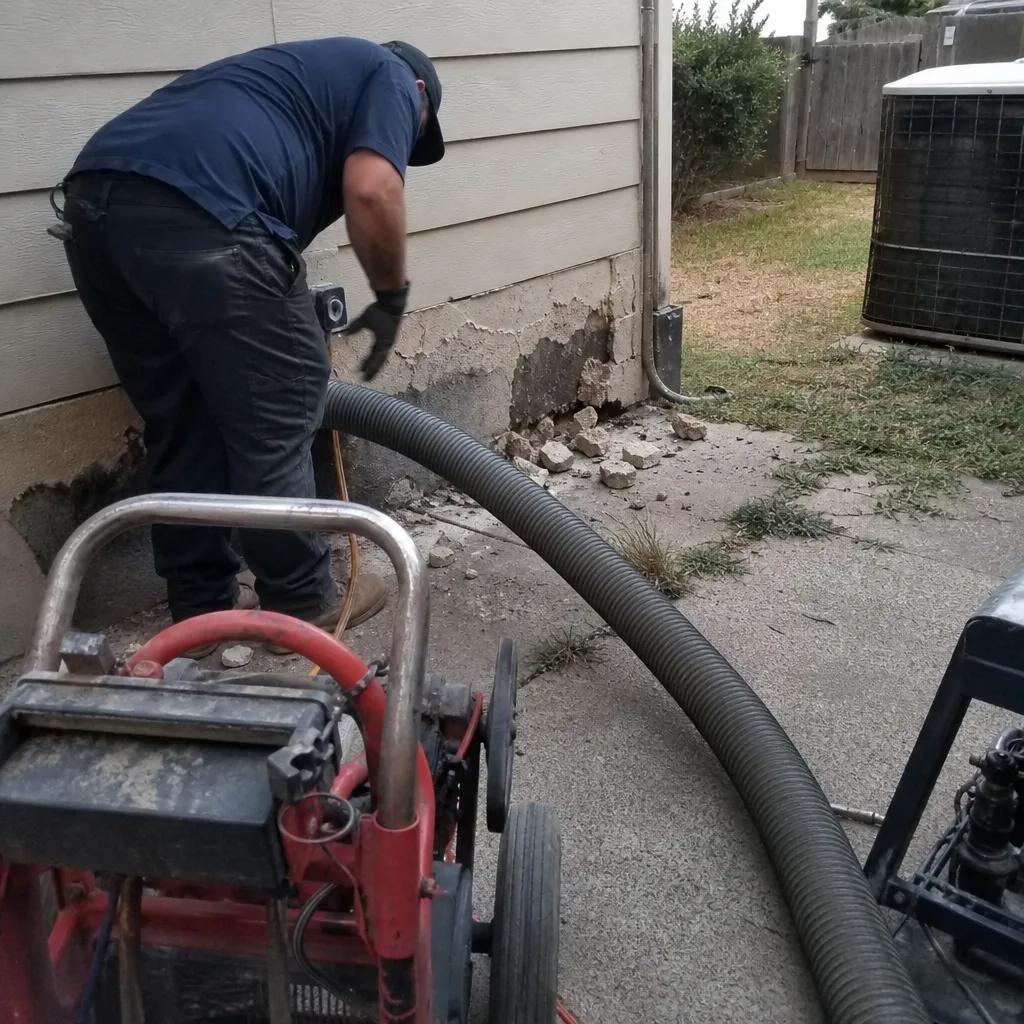 Before
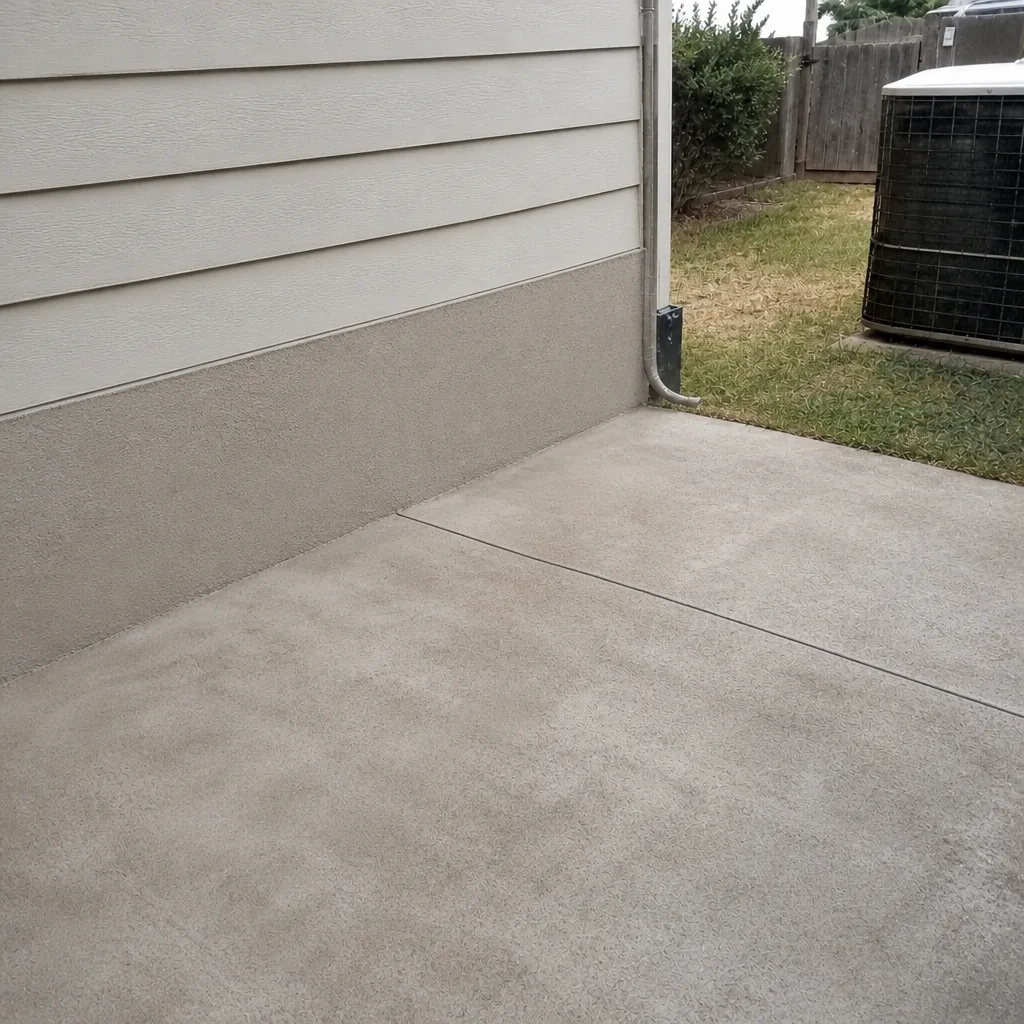 After
When to Call a Professional
Call a professional when the deciding factor is method, not timing. That’s true if your Clear Lake home has visible dust on return grilles and dark spotting on supplies, if the system has run for years without a full cleaning, or if you’ve just finished a renovation that sent drywall dust through the returns. It’s also true when you smell mustiness on startup, notice weak airflow to some rooms, or suspect leaks around the air handler. If you’re unsure, an inspection and a straight assessment will tell you whether you need cleaning now or whether you can wait. Clear Lake Air Duct Cleaning offers free estimates in Clear Lake – call (833) 513-8670. We answer 24/7. Fast dispatch from 7am to 7pm, Sunday through Friday.
Frequently Asked Questions
Air duct cleaning in Clear Lake is priced per job as a flat price per system, not per vent, so you get one number for the whole job agreed before work starts. Because the price depends on the size and layout of your system, the written estimate is what sets the final cost. Call (833) 513-8670 for an exact quote – estimates are free.
For most Clear Lake homes, timing should follow system runtime and humidity rather than a fixed number of years, and the long AC season here means contamination builds faster than the generic three-to-five-year advice suggests. If you have pets, recent renovations, allergies, or visible dust, sooner is better. Call (833) 513-8670 for an assessment – estimates are free.
Cheap quotes usually skip the equipment and method that do the actual work: negative pressure, mechanical agitation, and HEPA filtration. When a crew uses a shop vac and a brush, the number stays low because most of the contamination stays in the ducts. Ask what machine they run and whether they inspect for leaks. Call (833) 513-8670 to compare a full quote – estimates are free.
Ask for before-and-after photos of your own duct interiors. A professional crew documents the condition of each run so you can see the change, and that proof is standard on a real job. If a contractor won’t show you photos, that tells you something. Call (833) 513-8670 to book a cleaning with documentation – estimates are free.
Yes. Near Galveston Bay the air stays humid, and a system running most of the year keeps that moisture cycling through the ducts, which accelerates dust buildup and raises the risk of biofilm and mold. Homes here often need attention sooner than inland Texas homes. Call (833) 513-8670 to talk through your situation – estimates are free.
Cleaning restores airflow and lets your blower and coil work the way they were designed to, and in a climate where the system runs so many hours that matters. If leaks or disconnected ducts are also present, cleaning alone won’t fix efficiency – sealing has to follow. Call (833) 513-8670 for an inspection and a flat quote – estimates are free.
The Bottom Line
Air duct cleaning in Clear Lake isn’t a calendar task. It’s a decision that follows from how hard your system runs and how much moisture the Gulf Coast air keeps in the loop. The right job removes contamination with real mechanical equipment, inspects for leaks and growth, and pairs cleaning with sanitizing or sealing when the ducts call for it. Judge a quote on method, not price alone, and insist on proof. Our technicians have up to 10 years of experience, and we use professional Rotobrush and Nikro systems because the equipment is what makes the difference. Call (833) 513-8670. We answer 24/7. Fast dispatch from 7am to 7pm, Sunday through Friday. Estimates are free.
Written by the team at Clear Lake Air Duct Cleaning.